


Grandma (88) is a hand-drawn player-vs.-narrator thriller that explores family history, memory, silence, and the stories passed from one generation to the next. Players take on the role of a young woman visiting her grandmother, only to find themselves drawn into an increasingly unpredictable journey through the older woman’s memories.
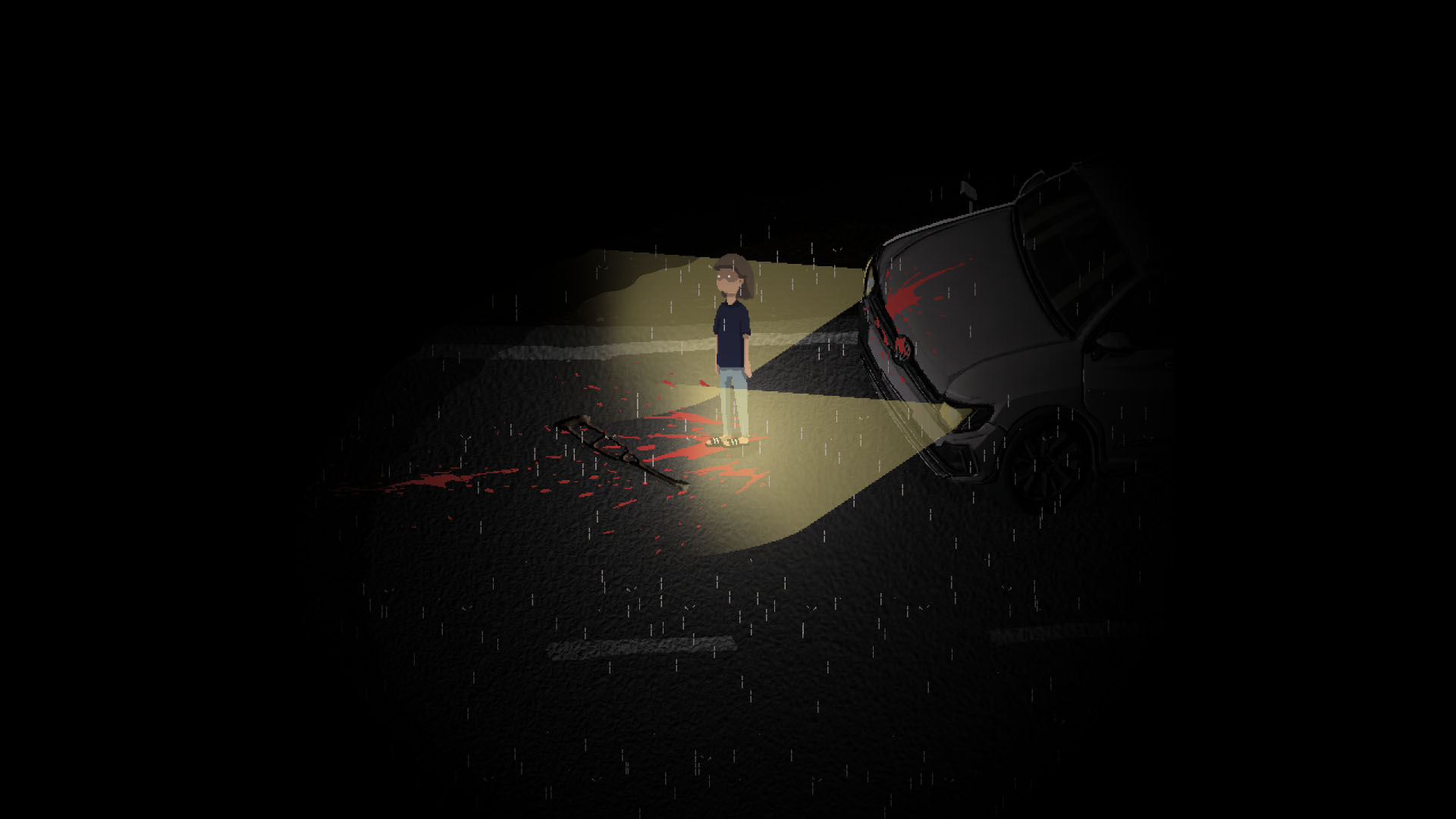
Grandma isn’t simply a character in the story. She is the narrator, and the world itself is shaped by the stories she tells. Her memories become explorable spaces filled with objects, characters, omissions, contradictions, and details that can change depending on how the player responds to her version of events.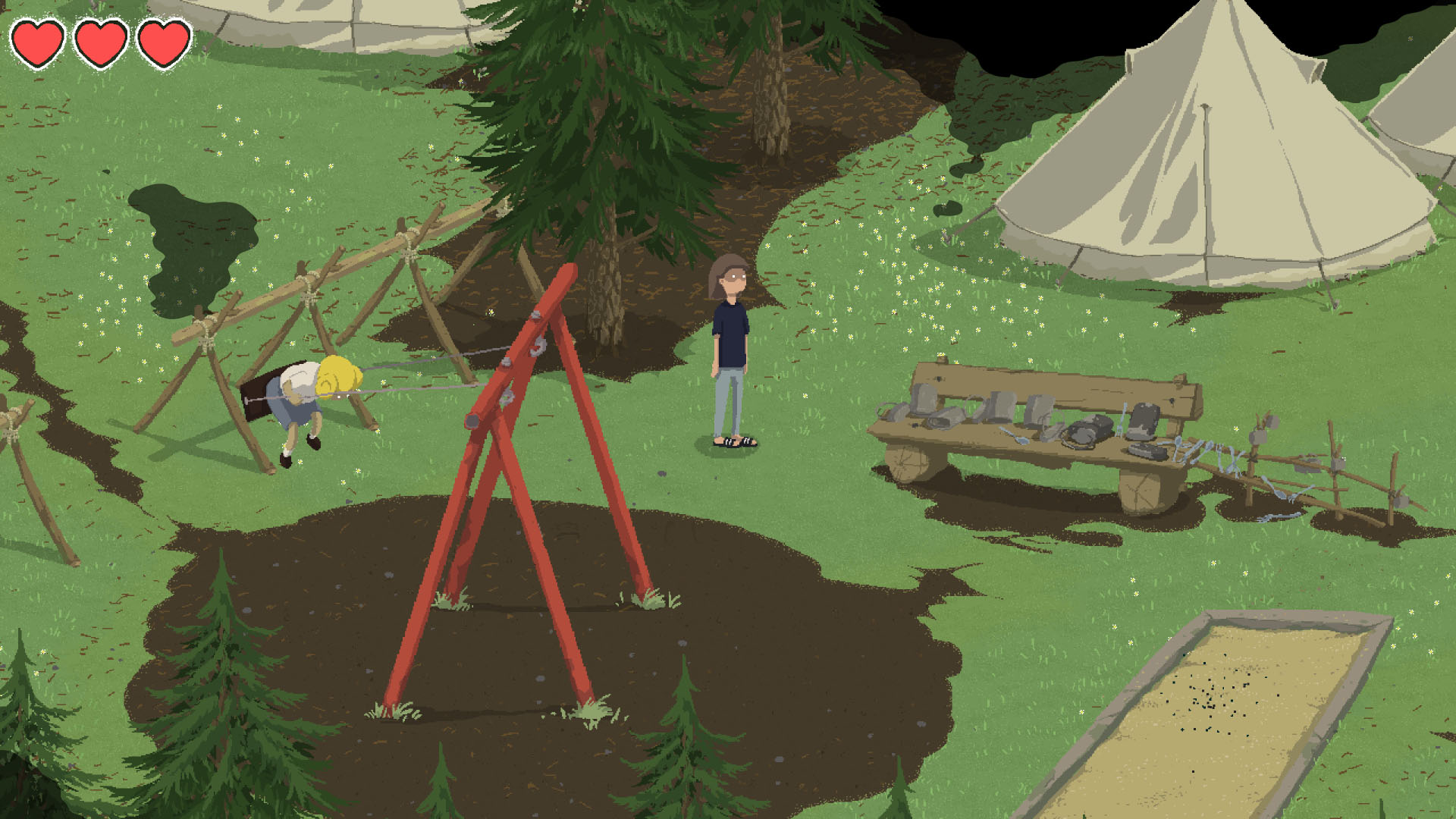
Progress requires players to pay close attention, question inconsistencies, and decide when to challenge Grandma. Each contradiction has the potential to alter the world around them, causing paths to open or disappear while revealing previously hidden pieces of the family’s history.
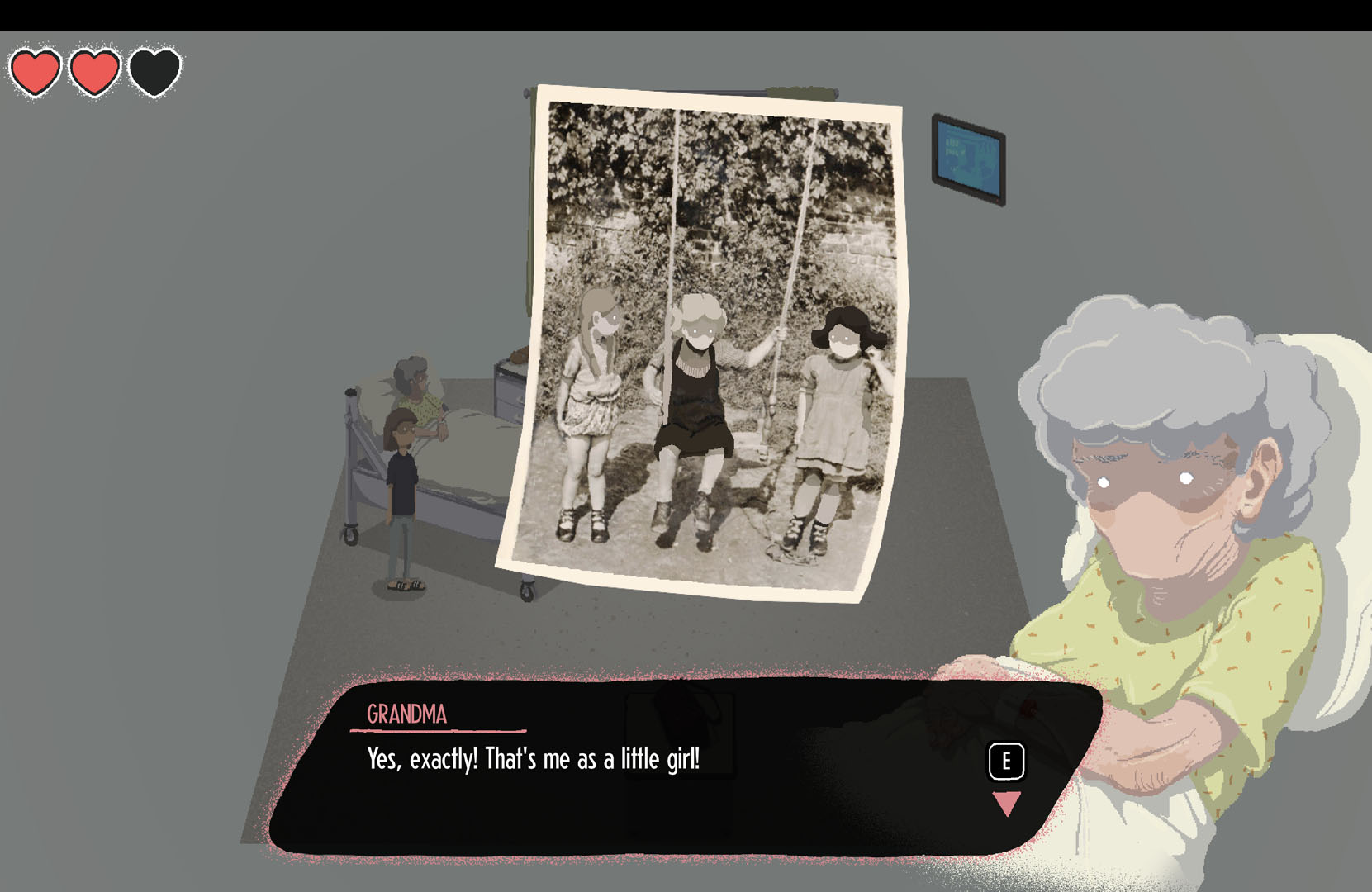
But uncovering the truth comes with a cost. The relationship between the player and Grandma is at the heart of the experience, with trust acting as an important resource. Push too hard and Grandma may become angry, retreat behind her stories, or stop sharing them altogether. Stay too cautious and the relationship may remain intact, but the deeper truths hidden within her memories could remain out of reach.
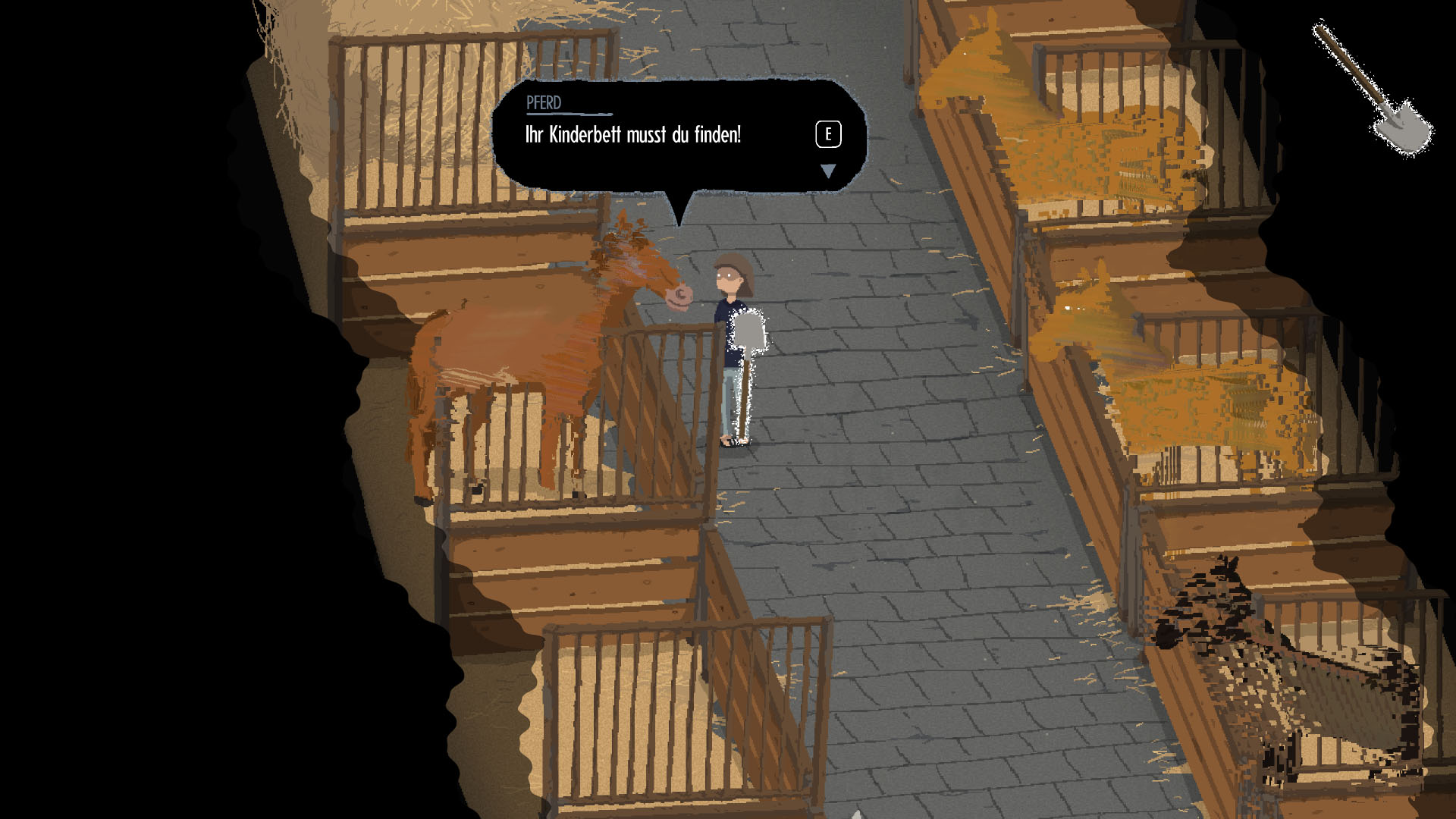
This creates a constant tension between curiosity and compassion. Grandma can guide, deceive, protect, distract, and withhold information, sometimes all at once. Players must decide how much they are willing to challenge the person they love in order to understand the past.
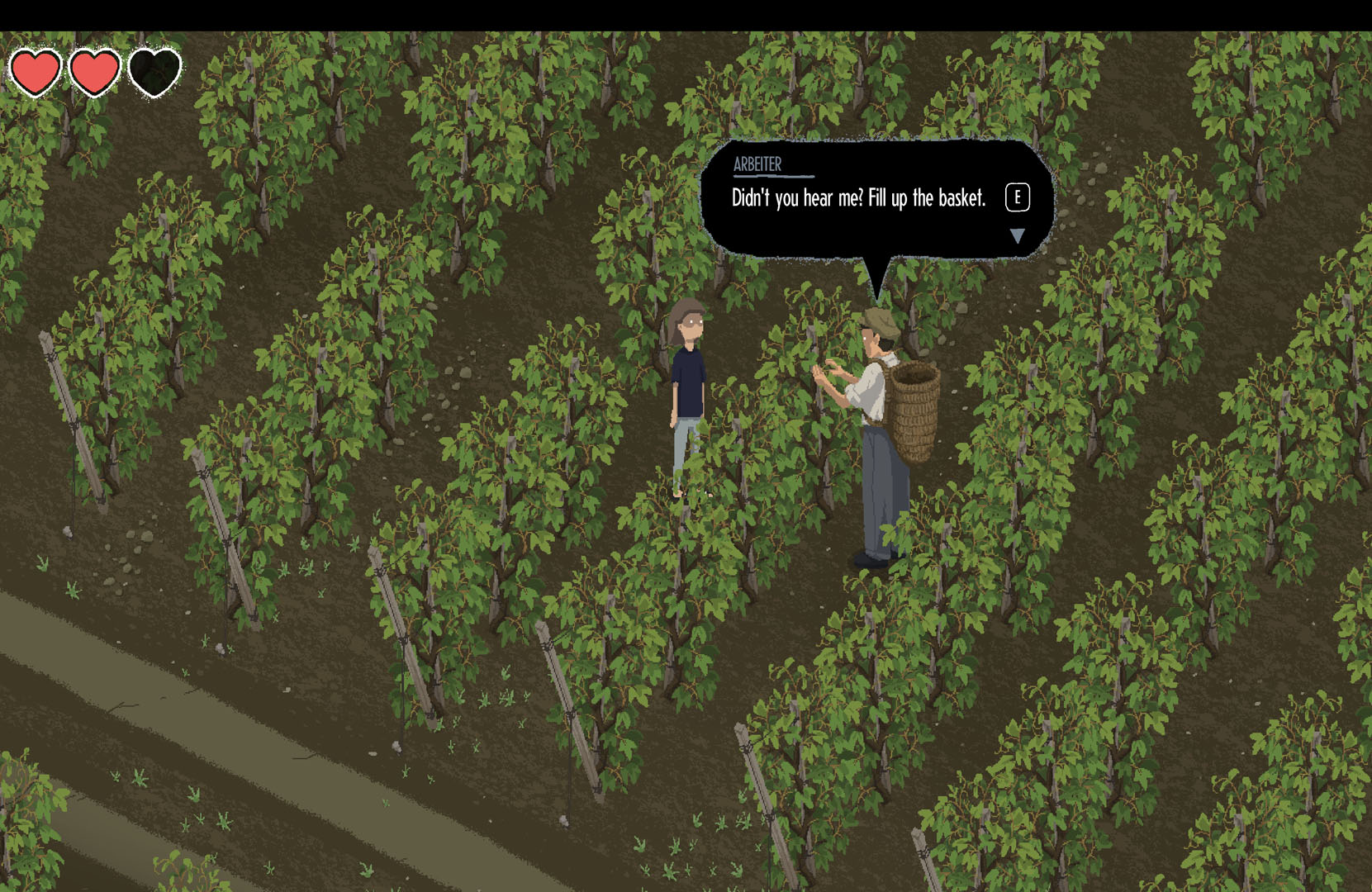
The game’s shifting environments turn its themes directly into gameplay. Rooms, characters, and objects can appear, disappear, or take on new meanings when players question Grandma’s memories. Her labyrinth becomes a constantly changing representation of how memories can be altered, defended, forgotten, or passed down through generations.
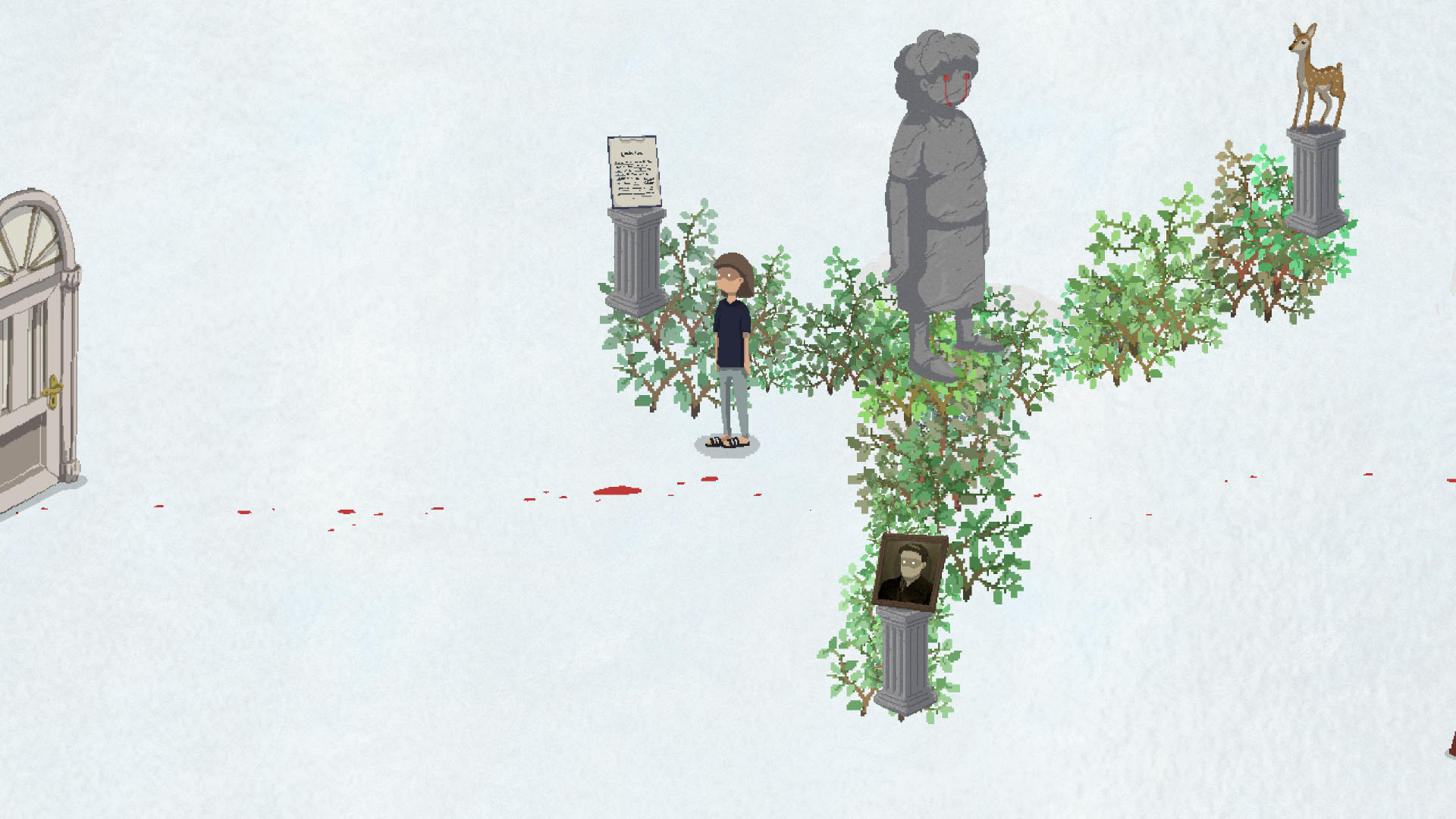
Grandma (88) was created from a desire to make the unspoken and uncomfortable aspects of family history something players can experience rather than simply observe. The development team drew inspiration from questions surrounding inherited narratives, missing pieces of family history, and the silences that can shape a person’s understanding of where they come from.
The project also expands beyond the developers’ own experiences. ROTxBLAU launched a public storytelling campaign inviting people to share stories about family history, memory, silence, and repression. The campaign highlighted the different ways families confront their past while revealing common patterns that have helped shape the game’s interactive systems.
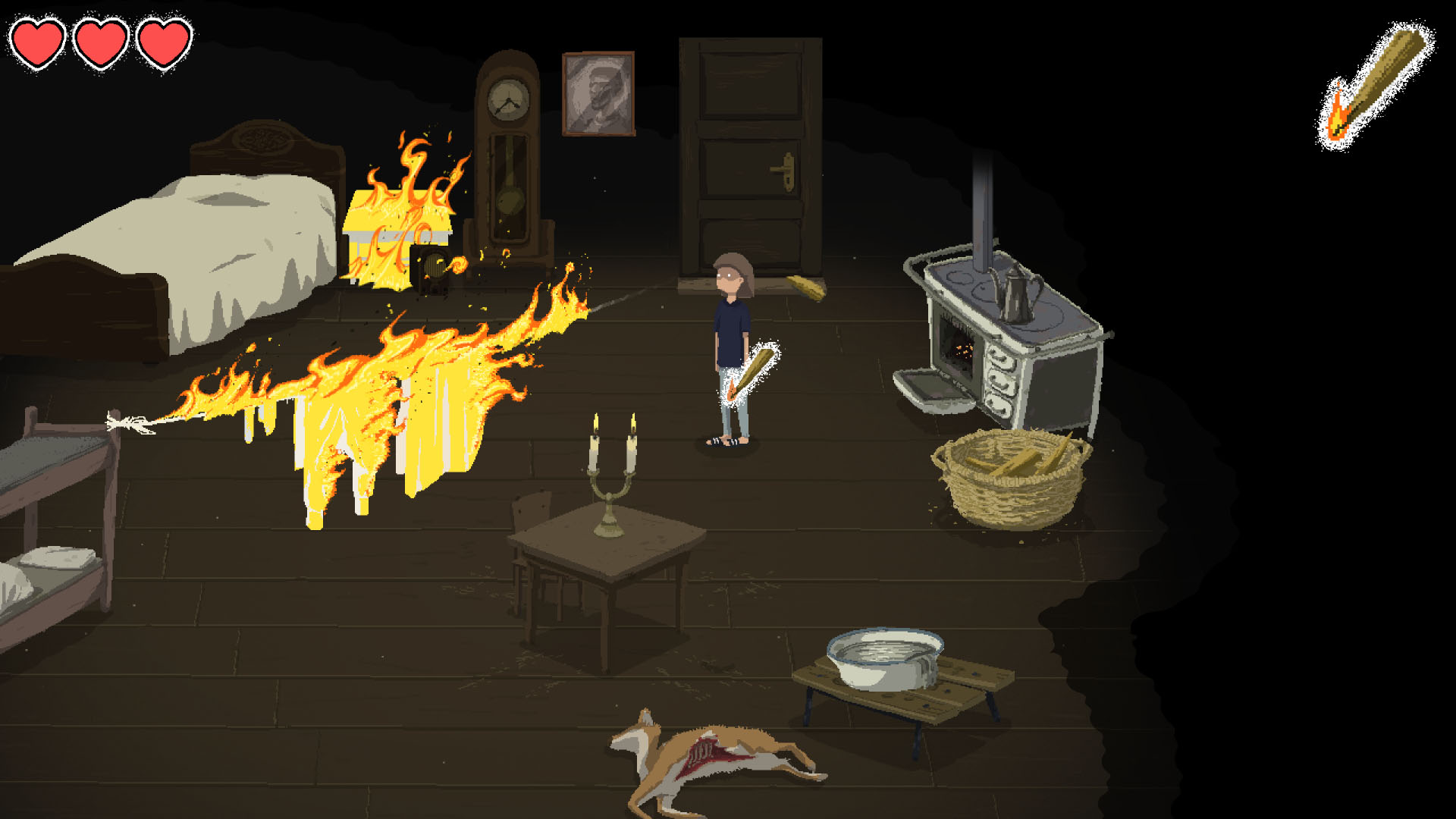
The developers are also working with the Brandenburg an der Havel Memorial for the Victims of the Nazi “Euthanasia” Murders and additional external advisors. These collaborations are intended to help the game approach memory, repression, family history, and intergenerational trauma with historical awareness and sensitivity.
At its core, Grandma (88) asks a deeply personal question: How do you ask the right questions when the answers come from someone you love?