


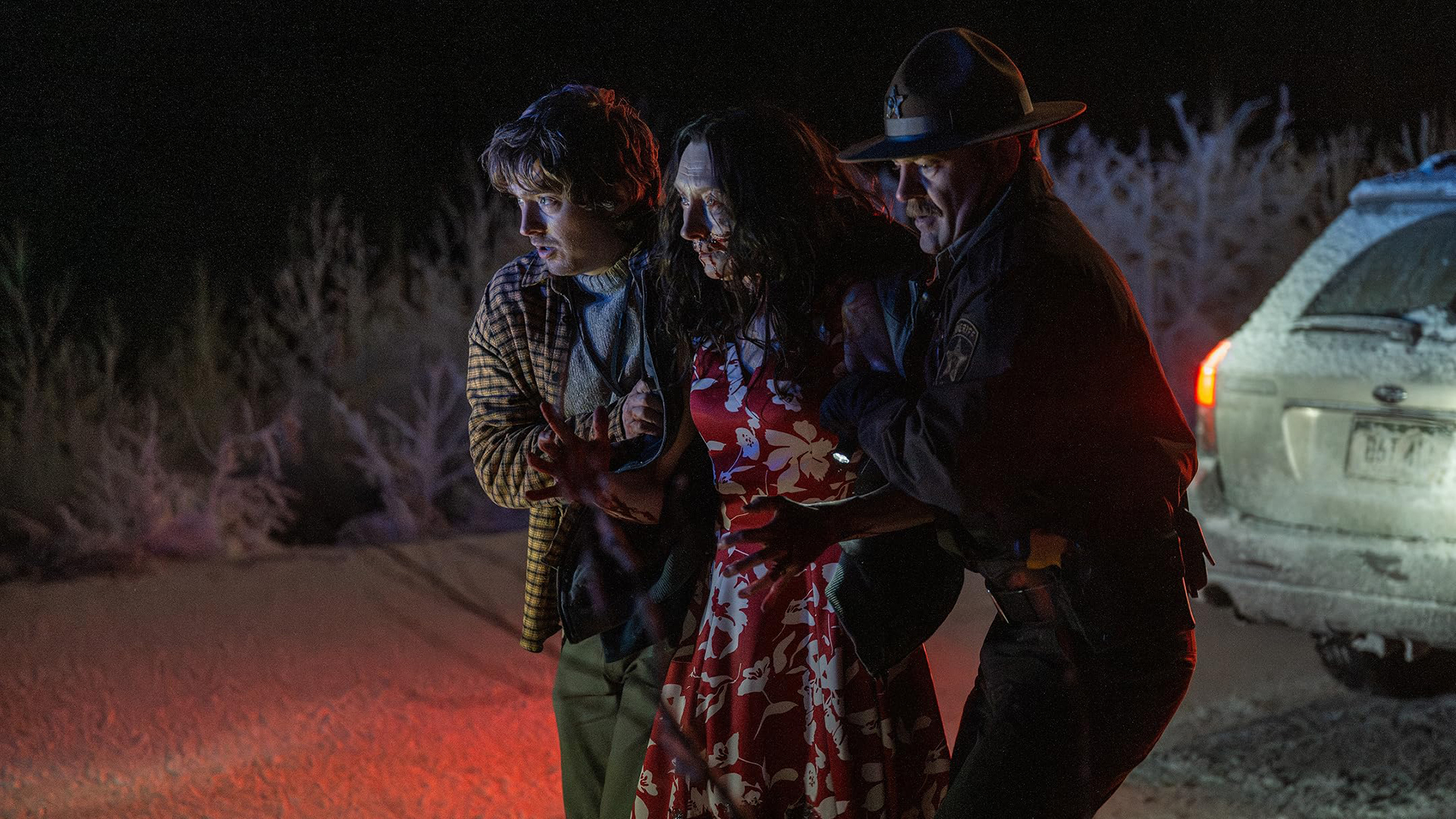
After years of Resident Evil movies that seemed increasingly disconnected from what made the games so memorable, Zach Cregger’s new Resident Evil feels like a much-needed change of direction. Rather than retelling one of the games or centering the story around familiar characters such as Leon Kennedy, Claire Redfield, or Jill Valentine, Cregger and co-writer Shay Hatten have created a new story set within the Resident Evil universe. The film follows Bryan, played by Austin Abrams, a medical courier who suddenly finds himself caught in a nightmarish outbreak. It is a risky approach to a franchise with a very dedicated fanbase, but after seeing the finished movie, I think it works remarkably well.
 Cregger, who previously directed Barbarian and Weapons, clearly had his own ideas about what a Resident Evil movie should be. He has also openly acknowledged that he was “naive” to think fans would automatically be excited about a new story rather than the Leon-focused movie some had been hoping for. Cregger said he underestimated how strongly some fans wanted to see the stories and characters from the games brought directly to the big screen. That reaction isn’t particularly difficult to understand, especially with a franchise this beloved, although I do think some of the early outrage was premature. People were criticizing the movie before they had actually seen it. Having now watched it, I think there is plenty here to demonstrate that Cregger understands Resident Evil and, more importantly, understands what makes playing these games so much fun.
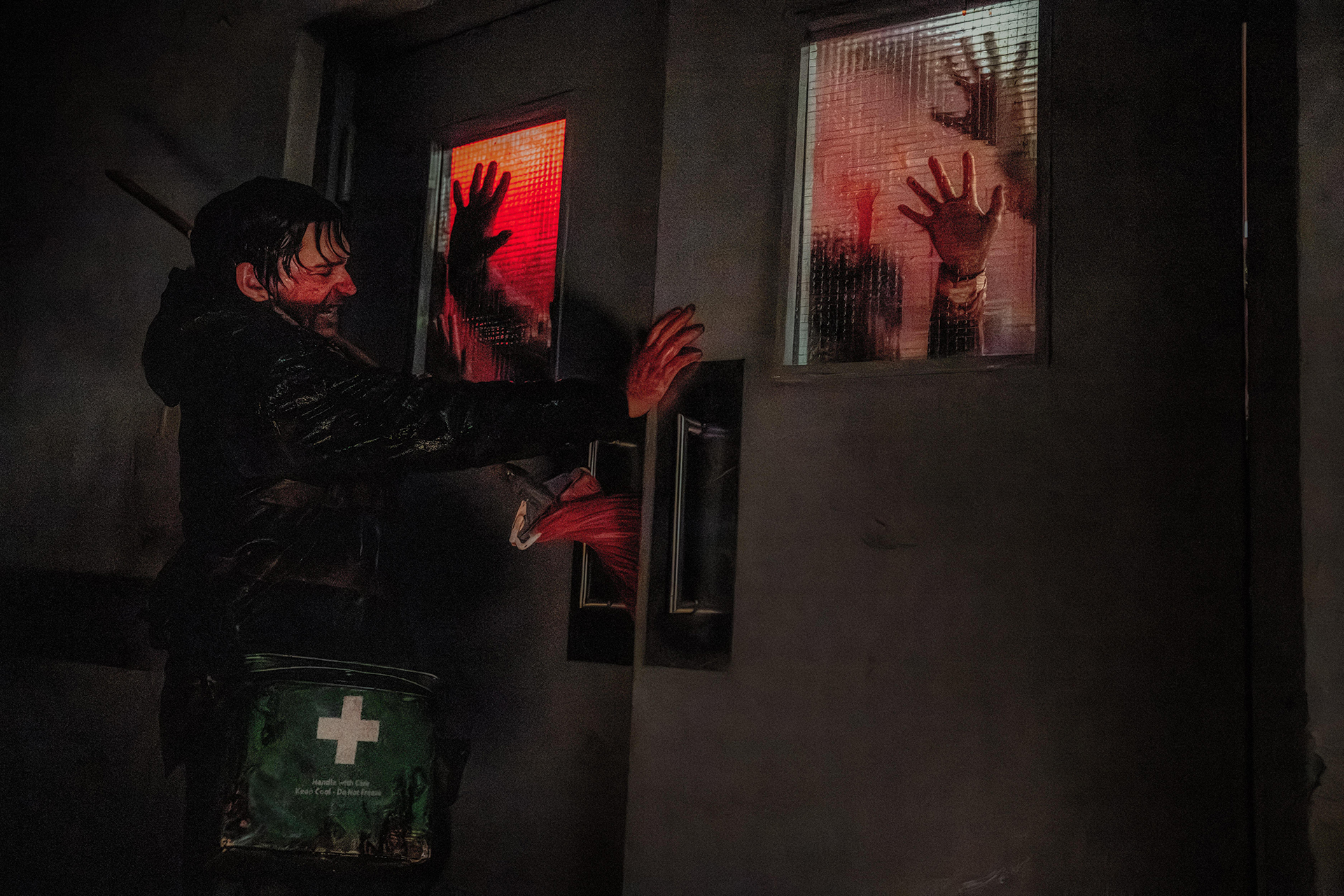
I’ve played every Resident Evil game, so there were plenty of details and familiar ideas throughout the movie that I could appreciate. Cregger isn’t simply copying a game storyline, but he clearly understands the experience of moving through a hostile environment, discovering something horrible around the next corner, dealing with increasingly bizarre creatures, and wondering what is going to happen next. The movie even has a structure that feels somewhat like progressing through a series of game scenarios or missions. That distinction is important because this isn’t trying to be Resident Evil 2 on the big screen. Instead, it is attempting to capture the feeling of playing Resident Evil while telling a completely new story.

Austin Abrams is a major reason the approach works. His performance as Bryan brings a level of physicality and awkwardness to the character that gives the movie a very different personality from the previous Resident Evil films. Abrams also leans heavily into the comedy, and that surprised me in a good way. There is a fairly substantial comedic element running through the movie, but it doesn’t completely undermine the horror. Instead, the humor creates an unusual tone that I haven’t really experienced with the Resident Evil film franchise before. Zach Cherry, Kali Reis, and Paul Walter Hauser round out the principal cast, with Hauser particularly standing out in his supporting role.
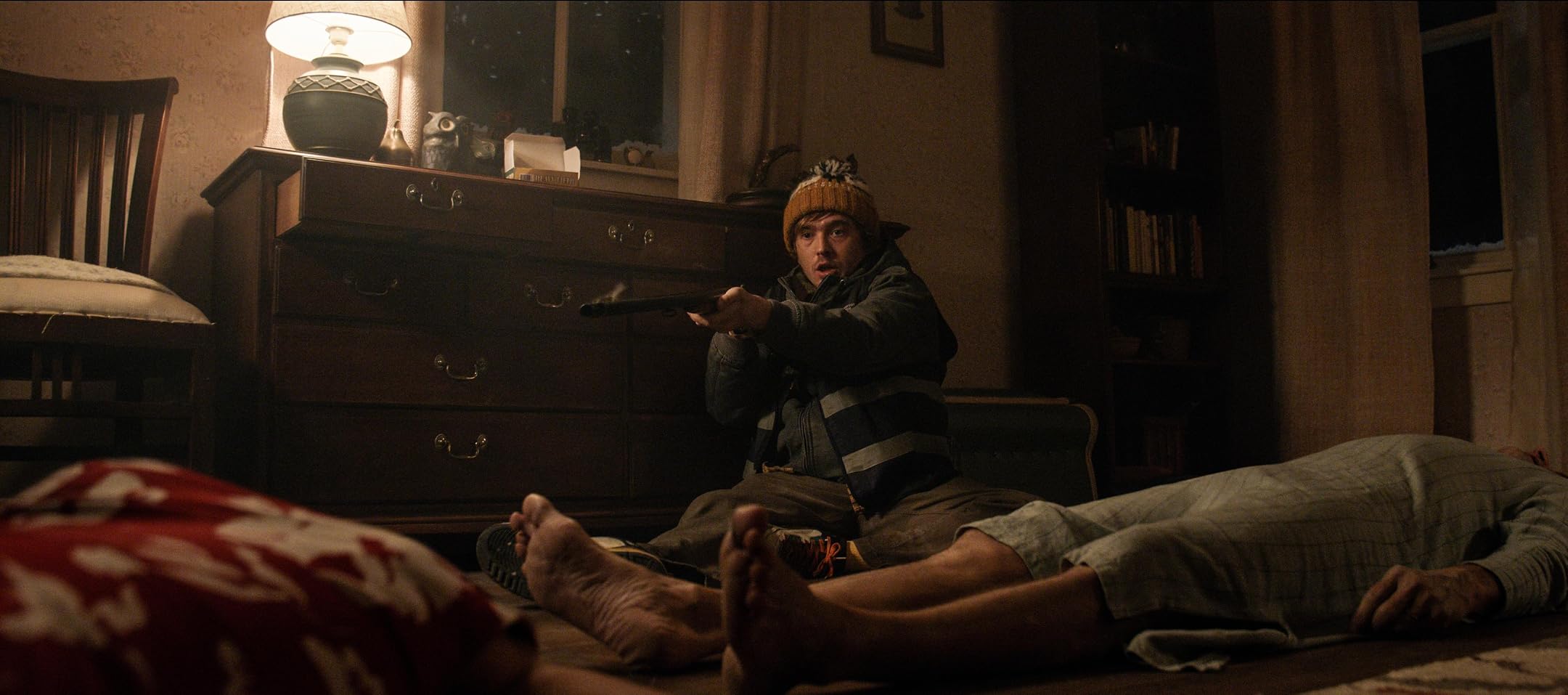 That balance between horror and comedy is one of my favorite things about the movie. Resident Evil can be genuinely creepy, bloody, and occasionally pretty gruesome, but it also knows when to have fun with itself. The special effects are a lot of fun, the scares generally land, and the movie doesn’t seem afraid to embrace some of the stranger aspects of the franchise. Cregger has said that early test audiences actually thought the movie was too funny, which resulted in some of the humor being toned down before the final version. Even with those changes, the comedic side of the movie remains an important part of its identity.
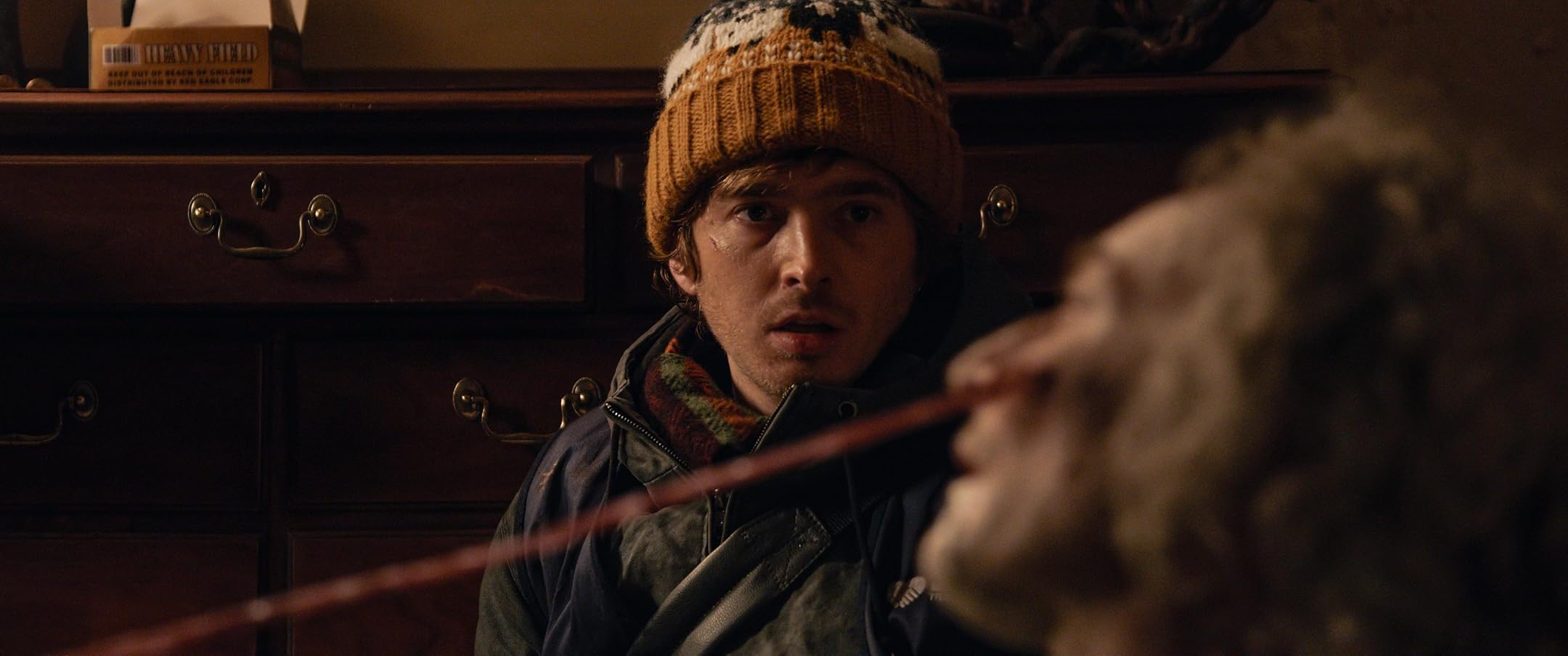
The visual presentation is another strong point. Cinematographer Dariusz Wolski gives the movie some impressive imagery, from dark and unsettling environments to beautifully framed exterior shots. The photography does a particularly good job of creating a sense of isolation and anticipation, while the lighting and composition help build the feeling that something could be waiting just outside the frame. The movie looks considerably more polished than some of the previous live-action Resident Evil efforts, and Cregger’s direction gives the horror, action, comedy, and surprises room to work together.
I also really enjoyed the synth-driven soundtrack. I’m a big fan of that style of music, and it fits the movie extremely well. There is something about electronic and synth-based music paired with horror that immediately creates the right atmosphere, and here it helps reinforce the film’s darker moments without making everything feel overly serious. Combined with the cinematography and sound design, it gives Resident Evil a distinct personality of its own.

One of the more interesting things about this movie is that it demonstrates why simply recreating a video game’s plot isn’t necessarily the only way to make a successful video game movie. We’ve seen plenty of adaptations attempt to reproduce characters and events from their source material, with wildly different results. I still have a soft spot for the original Silent Hill because I thought it found a particularly effective way to translate the atmosphere and visual identity of the game to film. Resident Evil takes a different approach. It borrows from the world, ideas, atmosphere, creatures, and gameplay experience while giving Cregger room to tell his own story.
That doesn’t mean everyone who wanted a more faithful adaptation is going to change their mind. If you went into Resident Evil specifically wanting to watch Leon Kennedy’s story recreated from the games, this obviously isn’t that movie. But I think it’s worth separating disappointment over what the movie isn’t from what the movie actually is. Cregger made a deliberate creative choice, and after watching the finished product, I think the movie makes a much stronger case for that choice than the trailers ever could.

I walked out of the theater with a smile on my face because, more than anything else, I had a genuinely fun time watching Resident Evil. It is entertaining, funny, creepy, occasionally disturbing, visually impressive, and packed with enough familiar elements for longtime players to recognize the love that went into it. It also works as a horror movie for someone who doesn’t know the games, which is an important quality for any adaptation hoping to reach beyond its existing fanbase.
For longtime Resident Evil players, I would strongly suggest giving this one a chance before deciding that the different story means it isn’t worth watching. The movie may not follow the path some fans expected, but that doesn’t mean it doesn’t understand where Resident Evil came from. For everyone else, particularly horror fans looking for something a little different, there is plenty here to enjoy. Resident Evil isn’t the movie I expected, but it ended up being one of the most entertaining Resident Evil movies I’ve seen in a long time.