


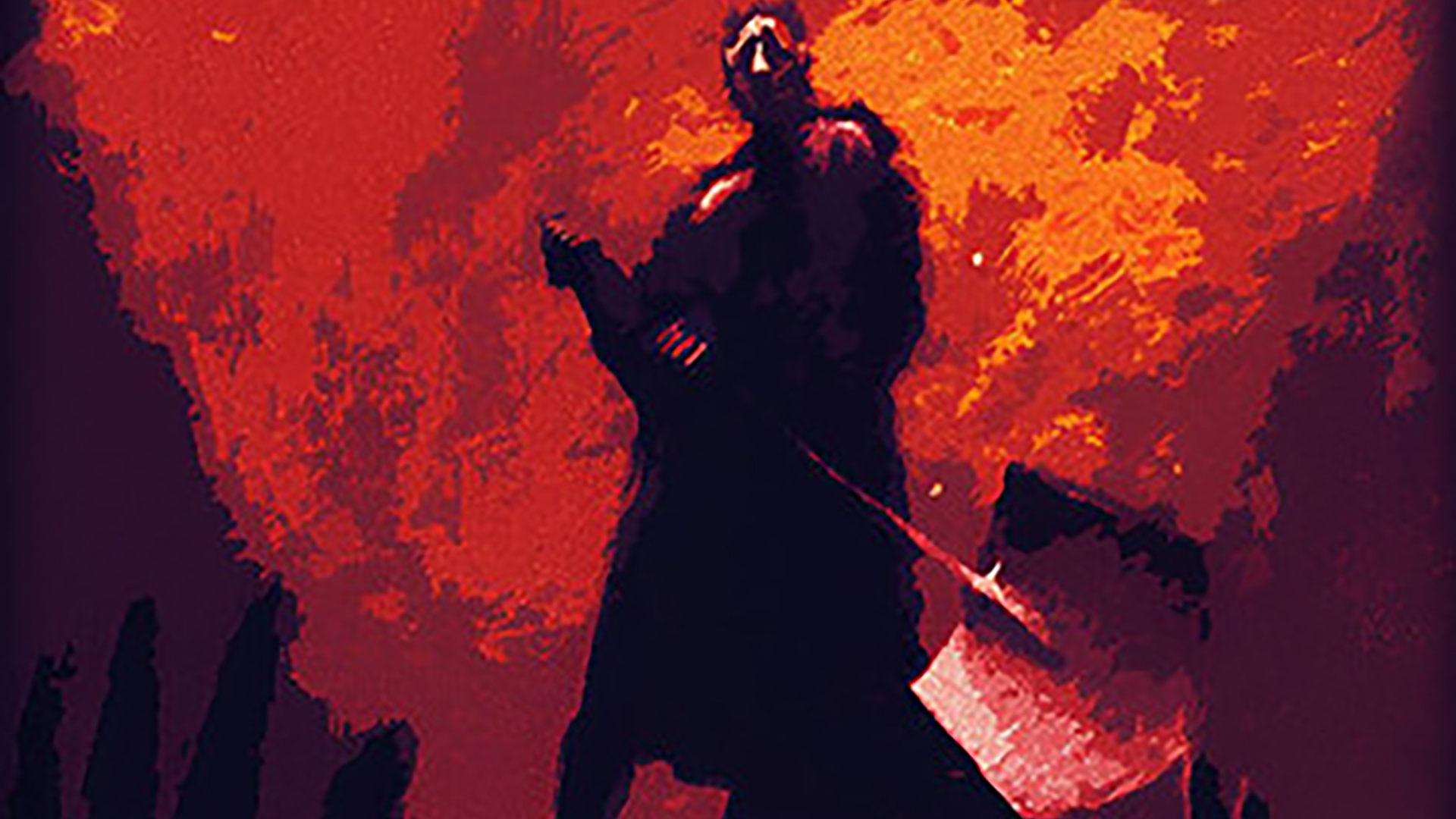
If you had asked me about Edgar Allan Poe’s Interactive Horror: 1995 Edition back in 1995, I probably wouldn’t have had much to say. At the time, I was exclusively playing console games on Nintendo systems and didn’t own a gaming PC. Like many gamers of that era, I missed an entire world of CD-ROM adventures that were pushing interactive storytelling in unusual directions.
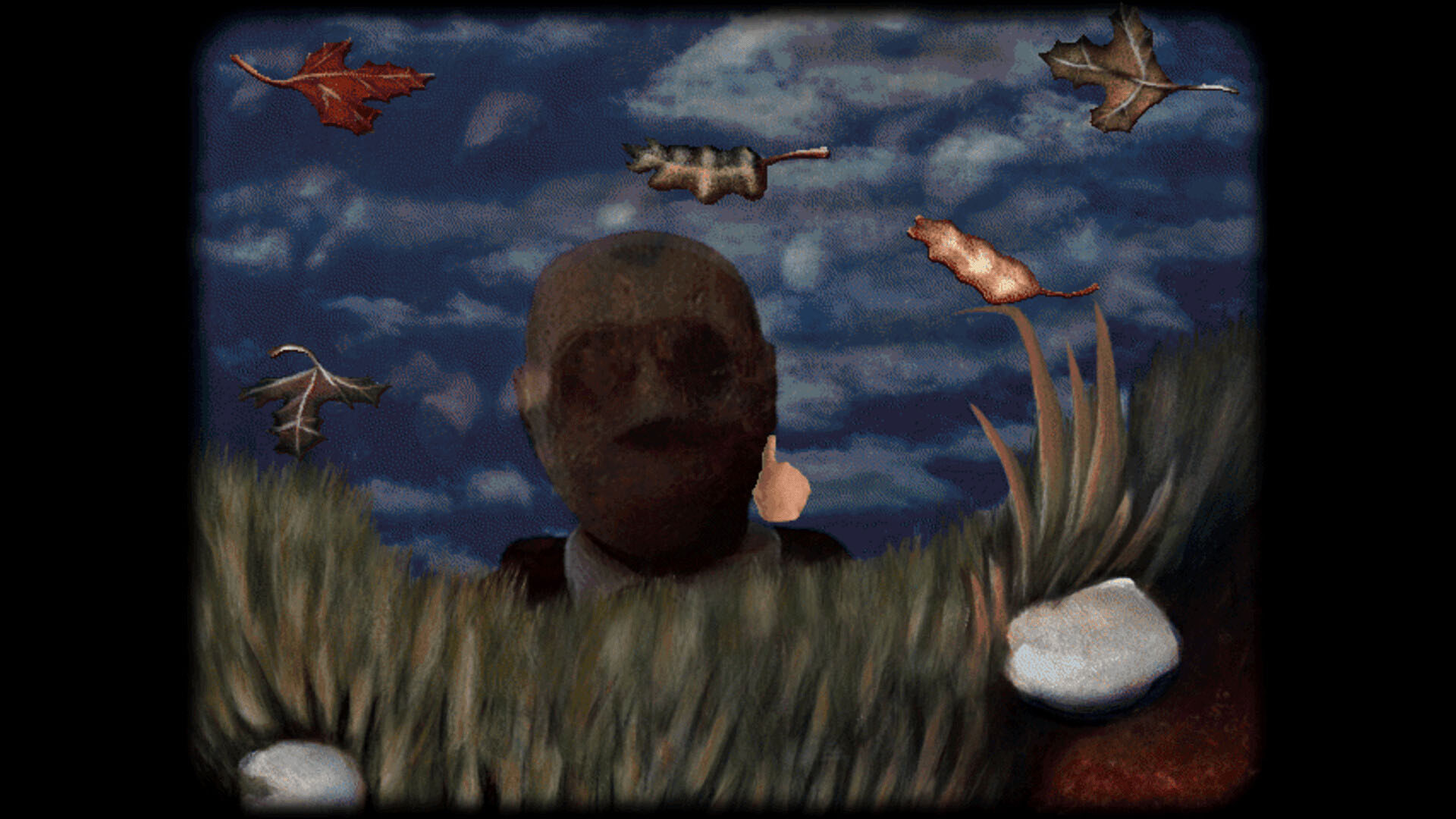
Playing the game today feels like uncovering a forgotten relic from a very different period in gaming history. Originally released during the golden age of multimedia PC titles, Edgar Allan Poe’s Interactive Horror focuses on atmosphere, storytelling, and exploration rather than action or traditional gameplay mechanics. It embraces a slower pace that may not appeal to everyone, especially players accustomed to modern horror games that rely on constant tension, jump scares, and fast-moving objectives.
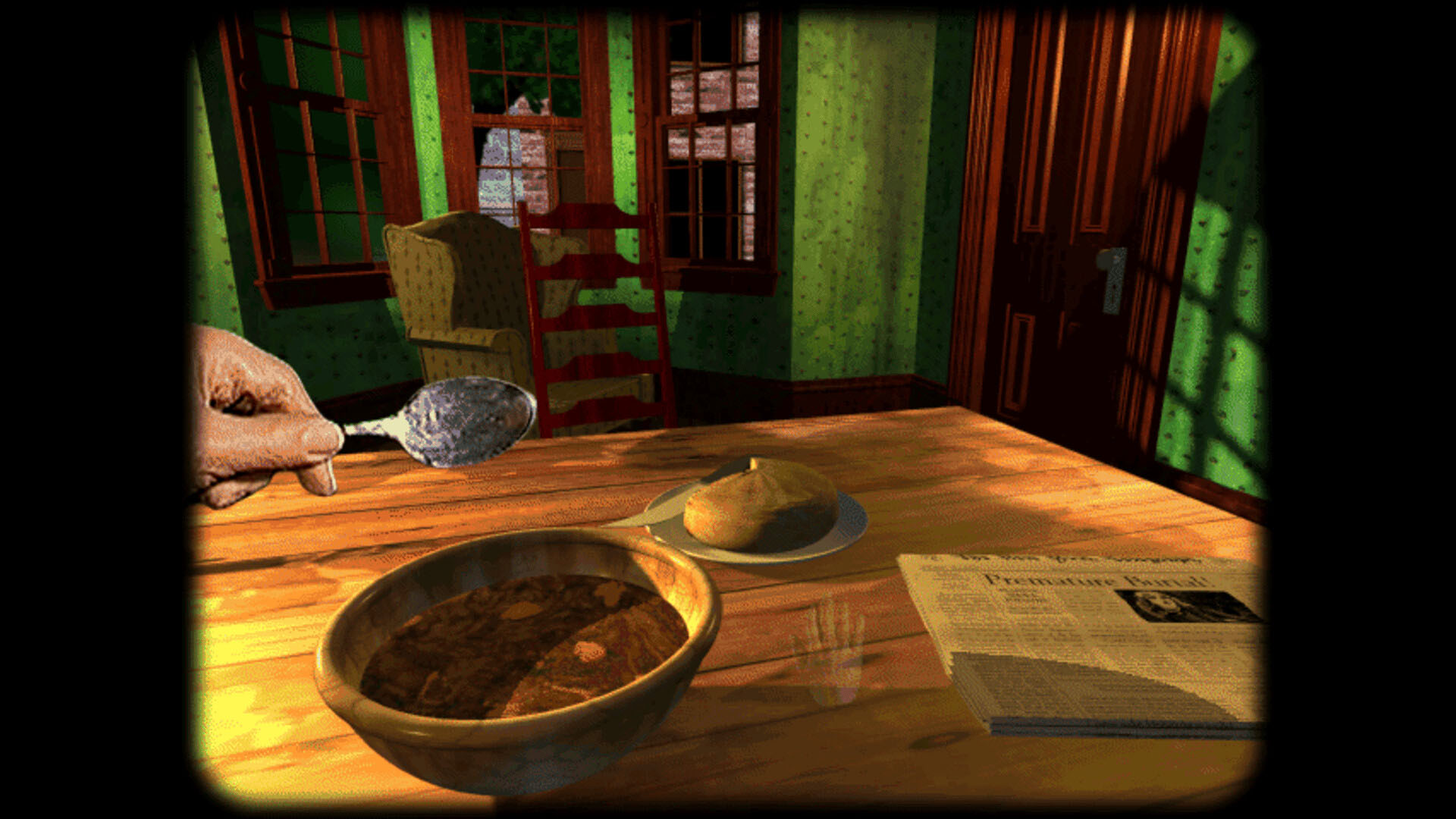
That said, the game’s deliberate pacing is part of its charm. Fans of retro PC gaming and interactive storytelling may find themselves appreciating the way the experience unfolds. Rather than rushing players from one event to the next, it allows its eerie atmosphere to slowly build, creating a sense of unease that lingers throughout the adventure.
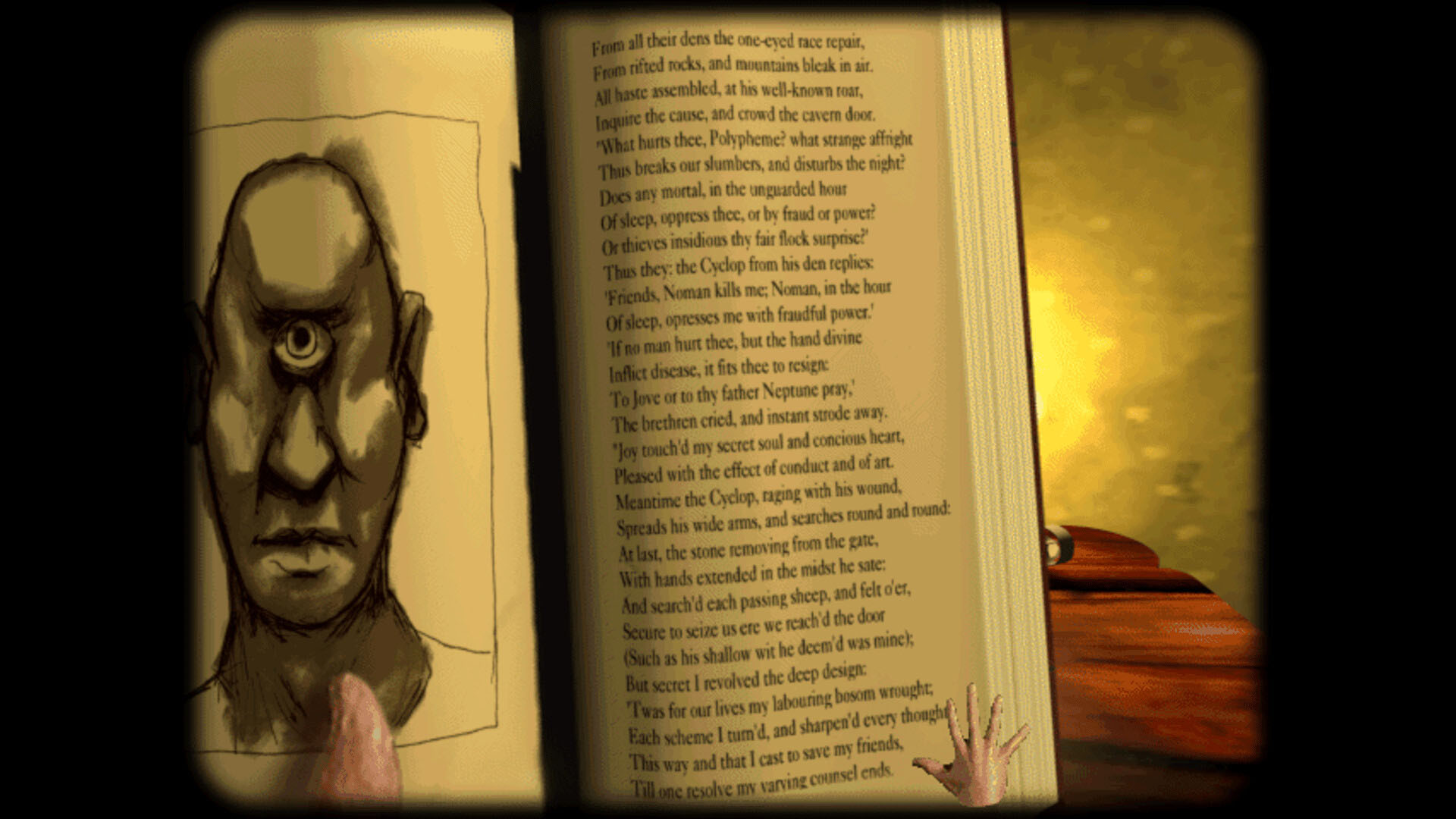
The most striking aspect of the game is undoubtedly its visual presentation. Instead of relying solely on computer-generated imagery, the developers utilized real photographic models, puppets, and practical creations that give the game a unique and often unsettling appearance. In many scenes, the characters almost resemble stop-motion animation, creating a dreamlike quality that feels unlike anything produced by modern horror games.
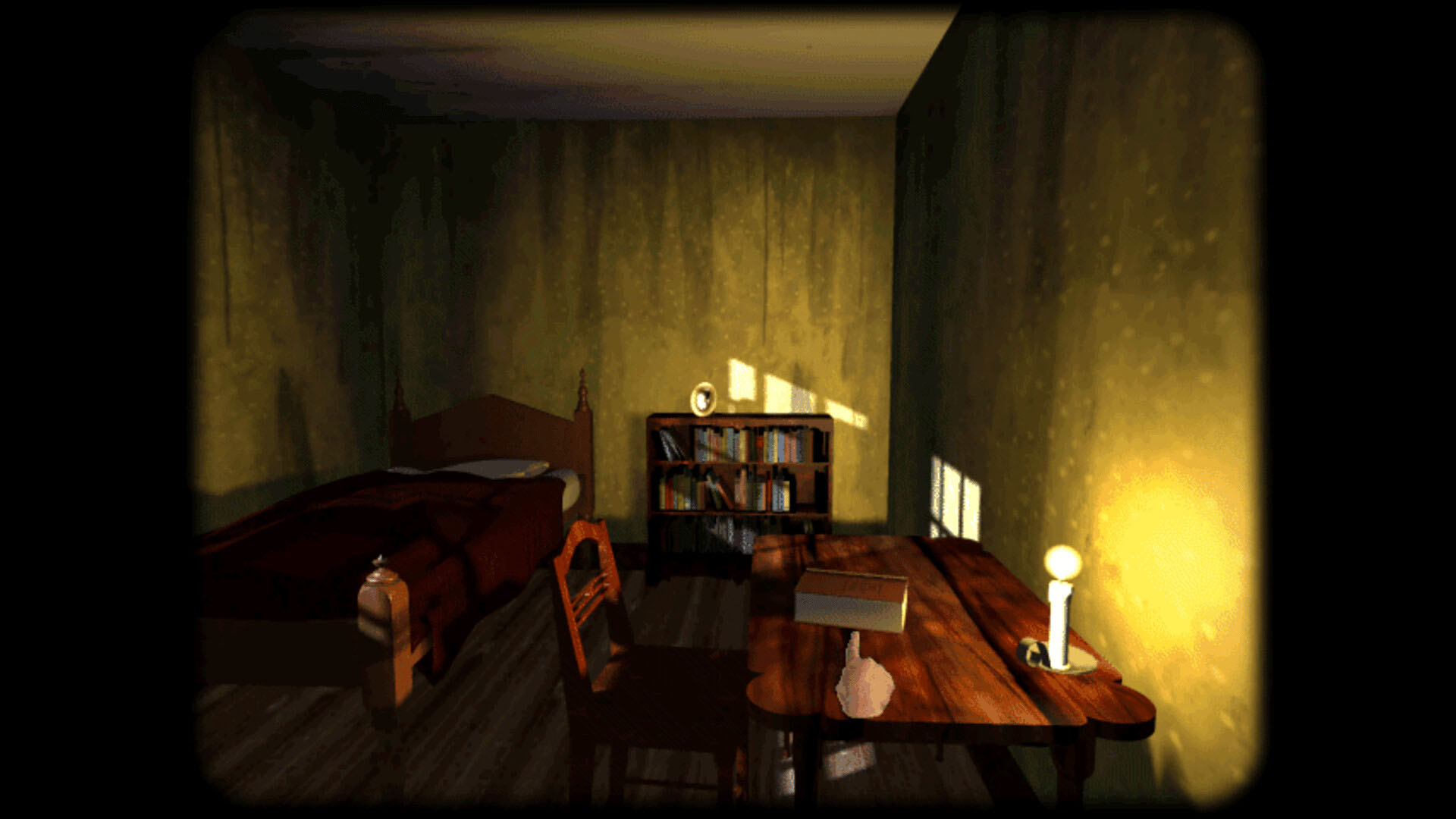
It’s easy to imagine the tremendous amount of work that went into bringing these visuals to life. Designing the physical models, posing them, photographing them from multiple angles, and integrating them into the game’s environments must have required countless hours of effort. Even today, the handcrafted nature of the presentation remains impressive and gives the game a distinctive identity.
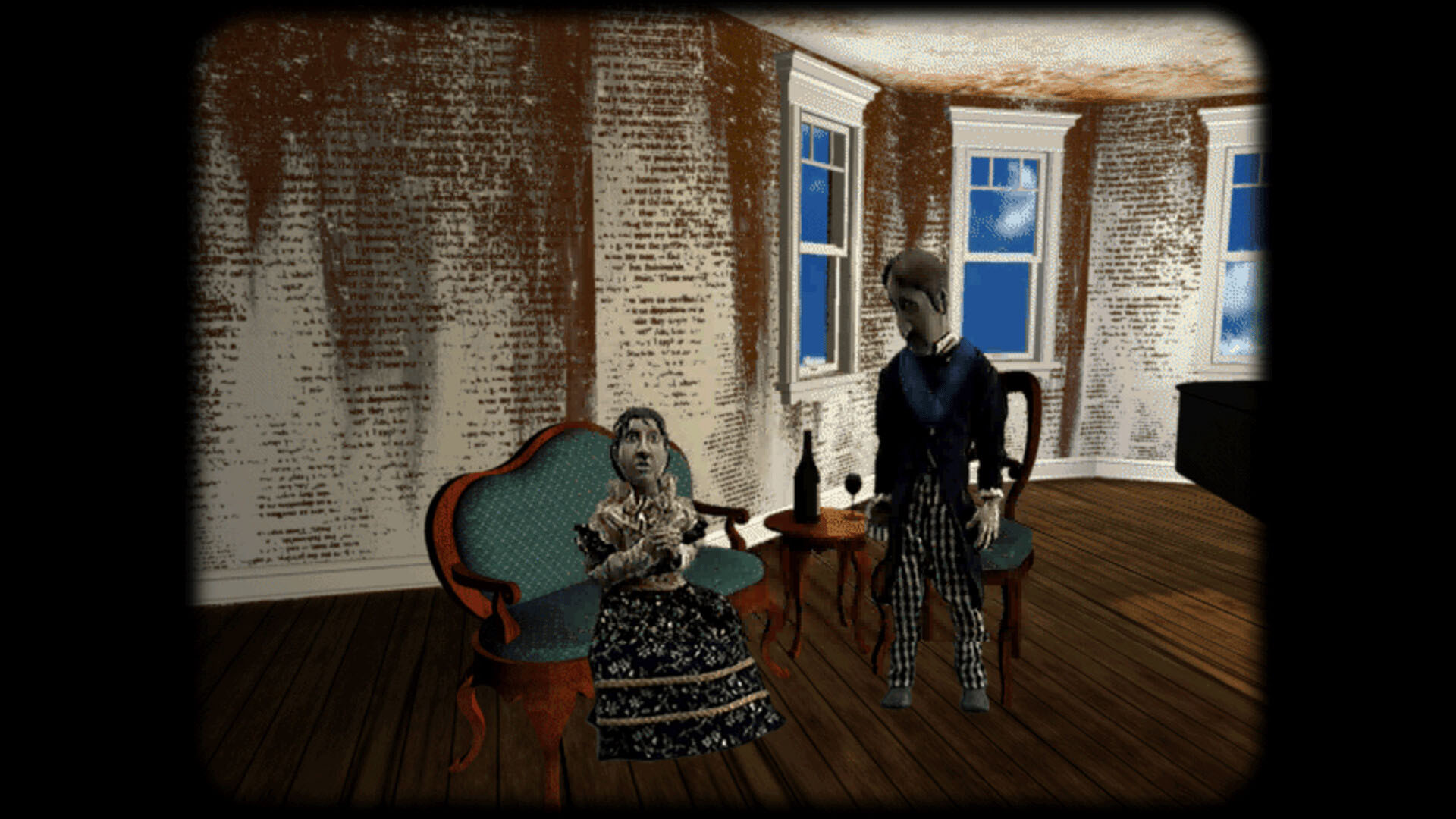
The audio design further enhances the experience, complementing the dark visuals with haunting narration and atmospheric soundscapes. Together, the visuals and sound create something that feels less like a traditional game and more like an interactive gothic horror exhibit inspired by the works of Edgar Allan Poe.
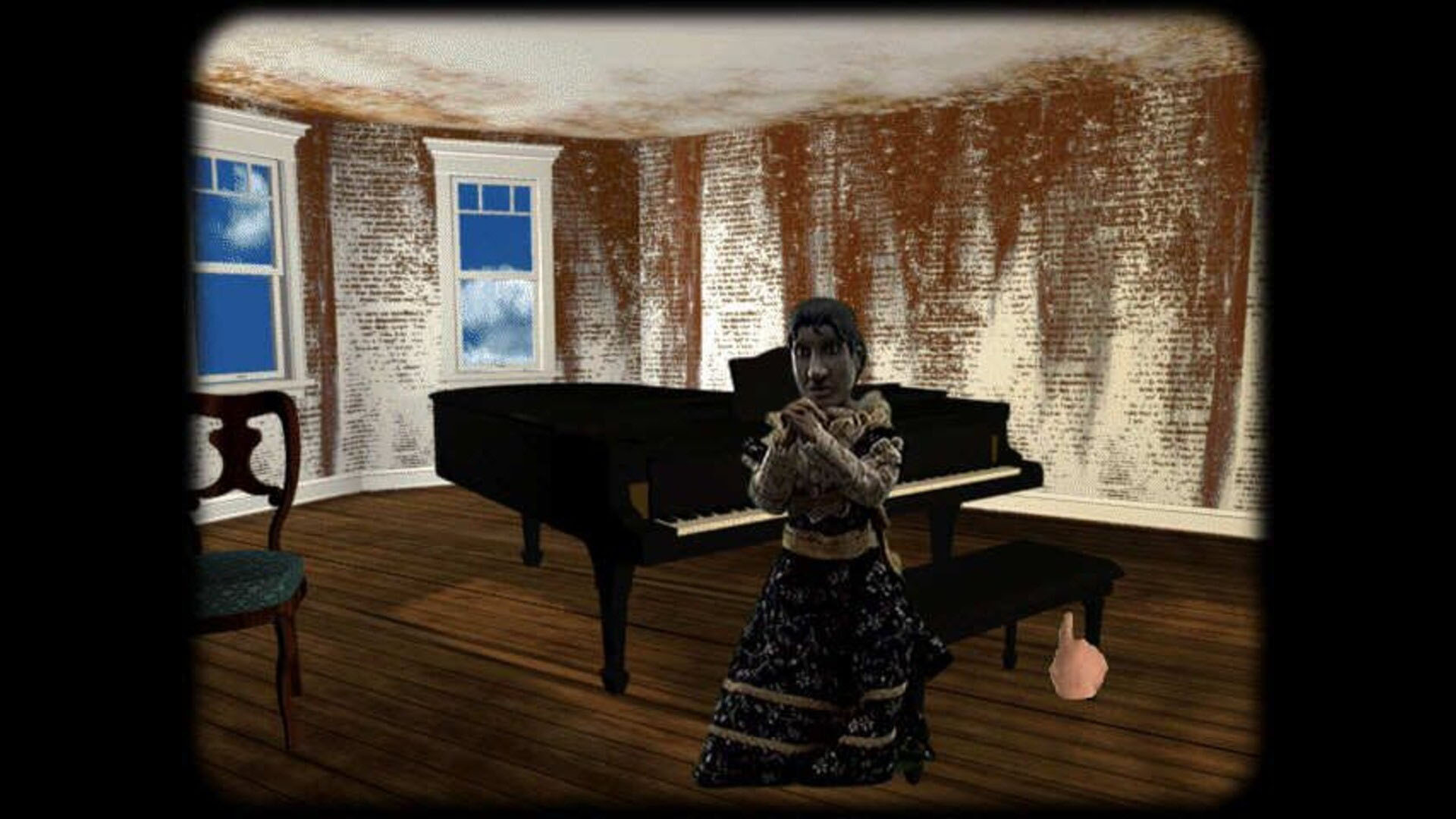
Modern players should be aware that this is very much a product of its time. The interface, controls, and overall design philosophy reflect the mid-1990s PC gaming landscape. Those looking for streamlined mechanics and modern conveniences may struggle with some of its aging elements. However, players who enjoy gaming history, experimental storytelling, or classic multimedia adventures may discover a fascinating experience that remains memorable despite its age.
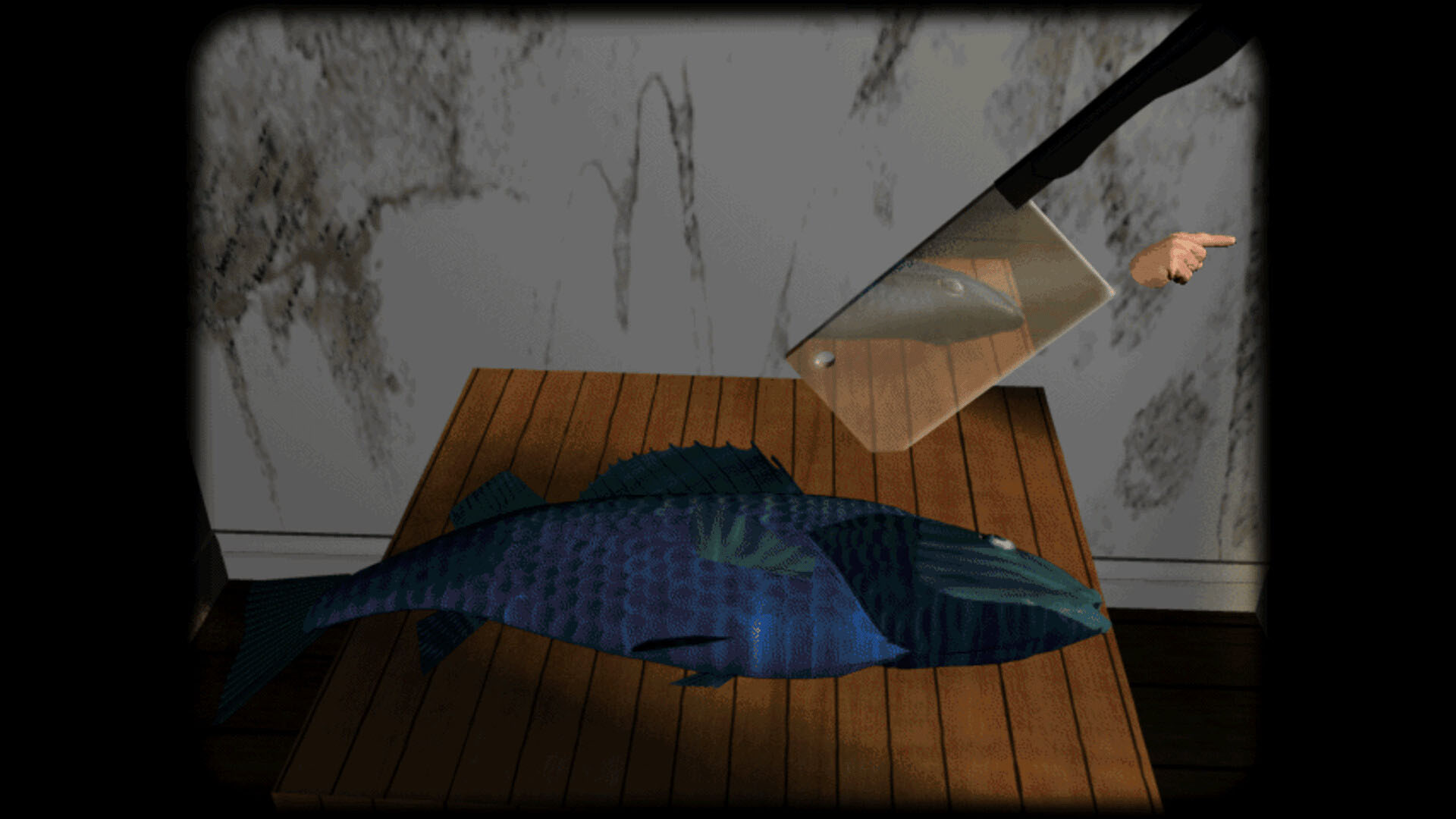
Edgar Allan Poe’s Interactive Horror: 1995 Edition is not a game for everyone, but it serves as an intriguing reminder of a period when developers were willing to experiment with new technology and unconventional artistic ideas. While undeniably dated, its unique visual style, atmospheric storytelling, and handcrafted presentation make it a worthwhile curiosity for horror fans and retro gaming enthusiasts alike.