


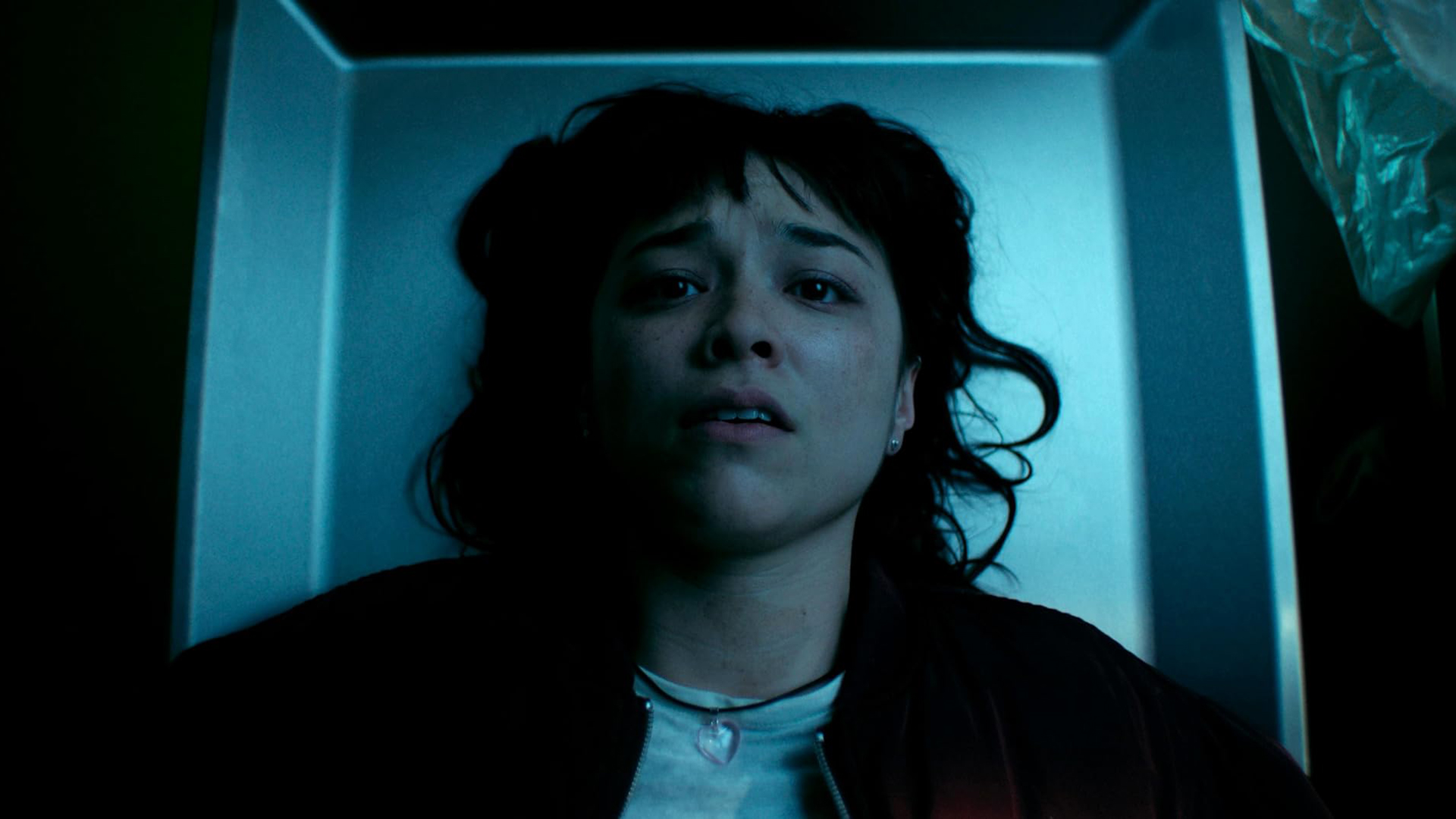
There is something inherently disturbing about the idea of finding a shortcut to weight loss that seems too good to be true. Saccharine, the latest horror film from writer and director Natalie Erika James, takes that concept and pushes it into some very dark territory. The film follows Hana, a medical student struggling with her body image, who discovers a mysterious weight-loss method that appears to deliver exactly the results she wants. The catch is that the method involves something far more sinister than your typical diet or supplement. Without getting into spoiler territory, Hana’s discovery eventually brings her face-to-face with a supernatural threat that has a very personal connection to what she has consumed.
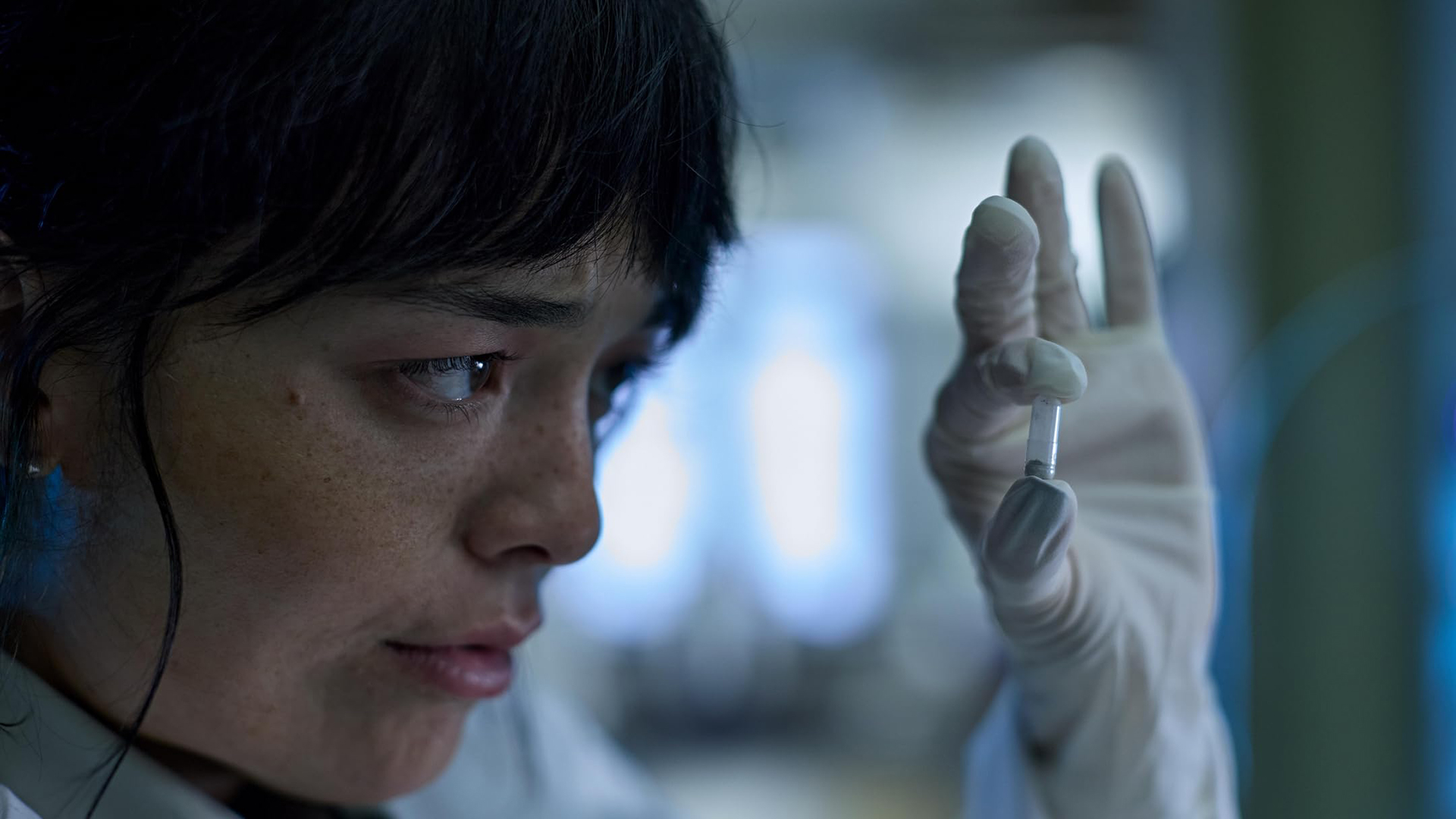
The premise immediately caught my attention because it reminded me of the kind of high-concept horror found in movies such as The Eye and Body Parts. Both films take something relatively straightforward and introduce an unsettling supernatural or body-horror element that makes the central concept increasingly disturbing. Saccharine operates in a similar space, using Hana’s situation to explore just how far someone might go to change themselves when they become convinced that their current body isn’t good enough.
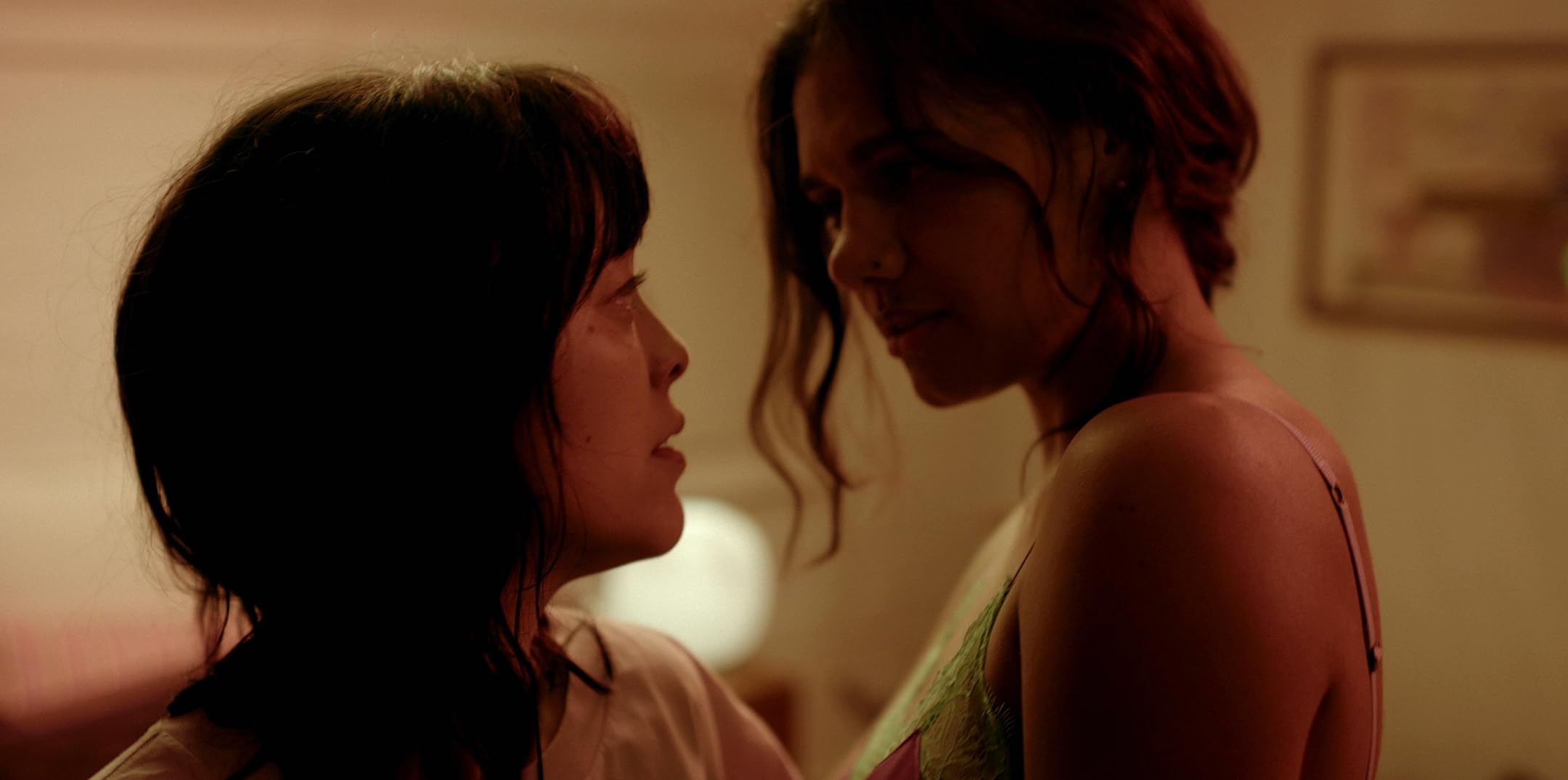
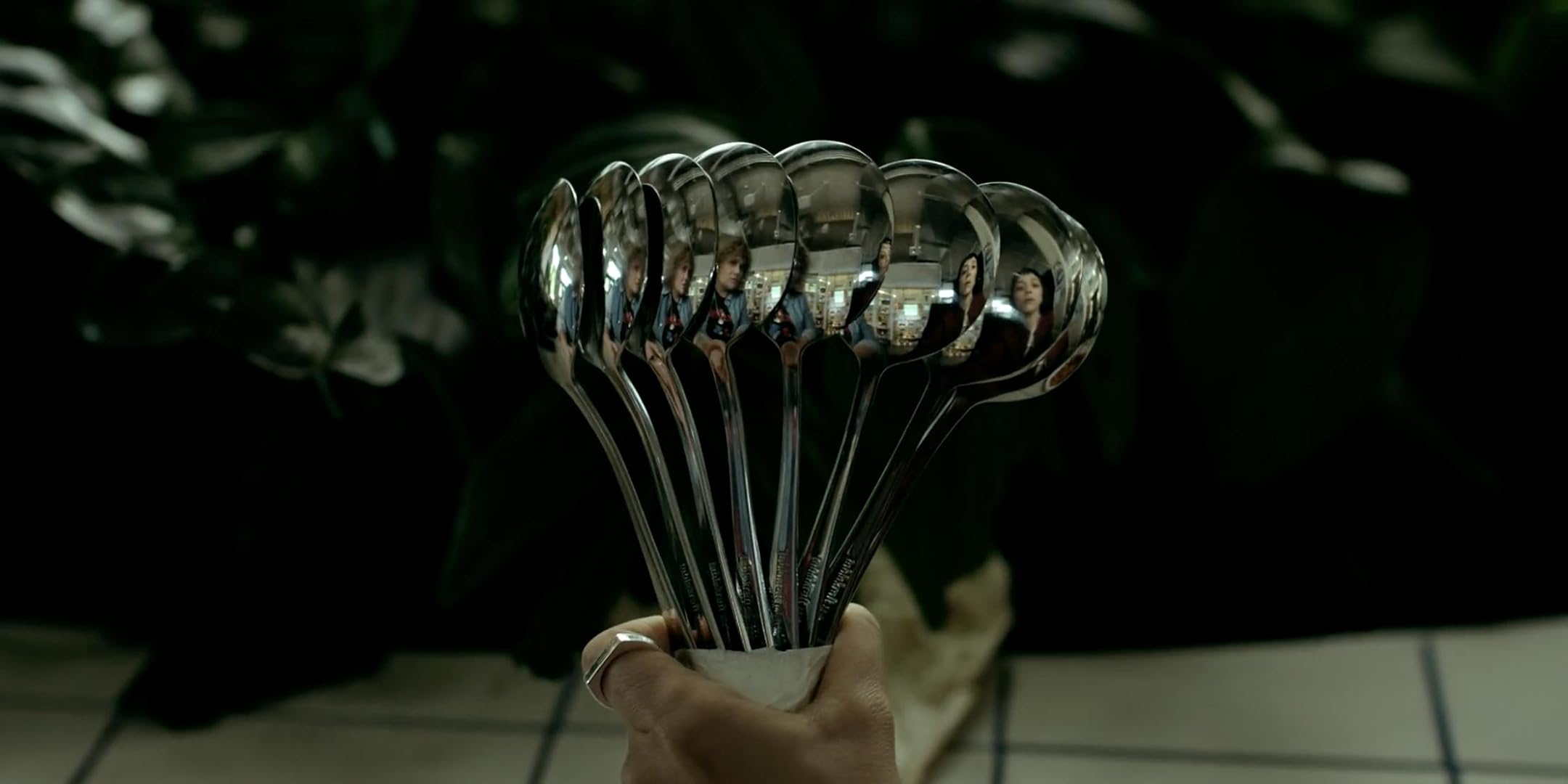
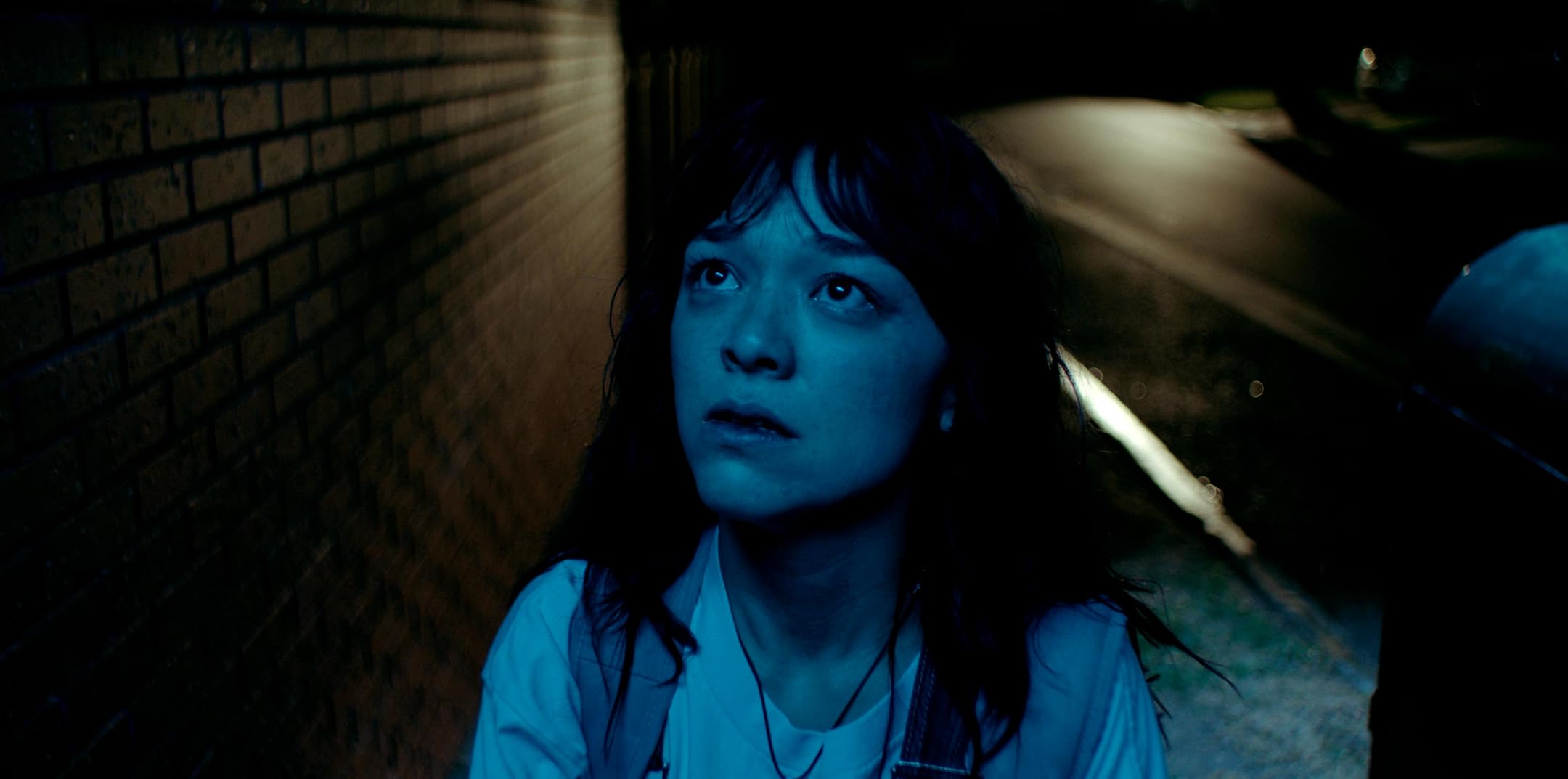
One of the strongest aspects of Saccharine is its cinematography. The movie looks fantastic, with some genuinely impressive shots and framing throughout. There is a deliberate visual style to the film that makes even relatively ordinary locations feel uncomfortable, and the camera frequently finds interesting ways to frame Hana and her surroundings. The visual presentation does a lot of the heavy lifting when it comes to establishing the film’s unsettling atmosphere.
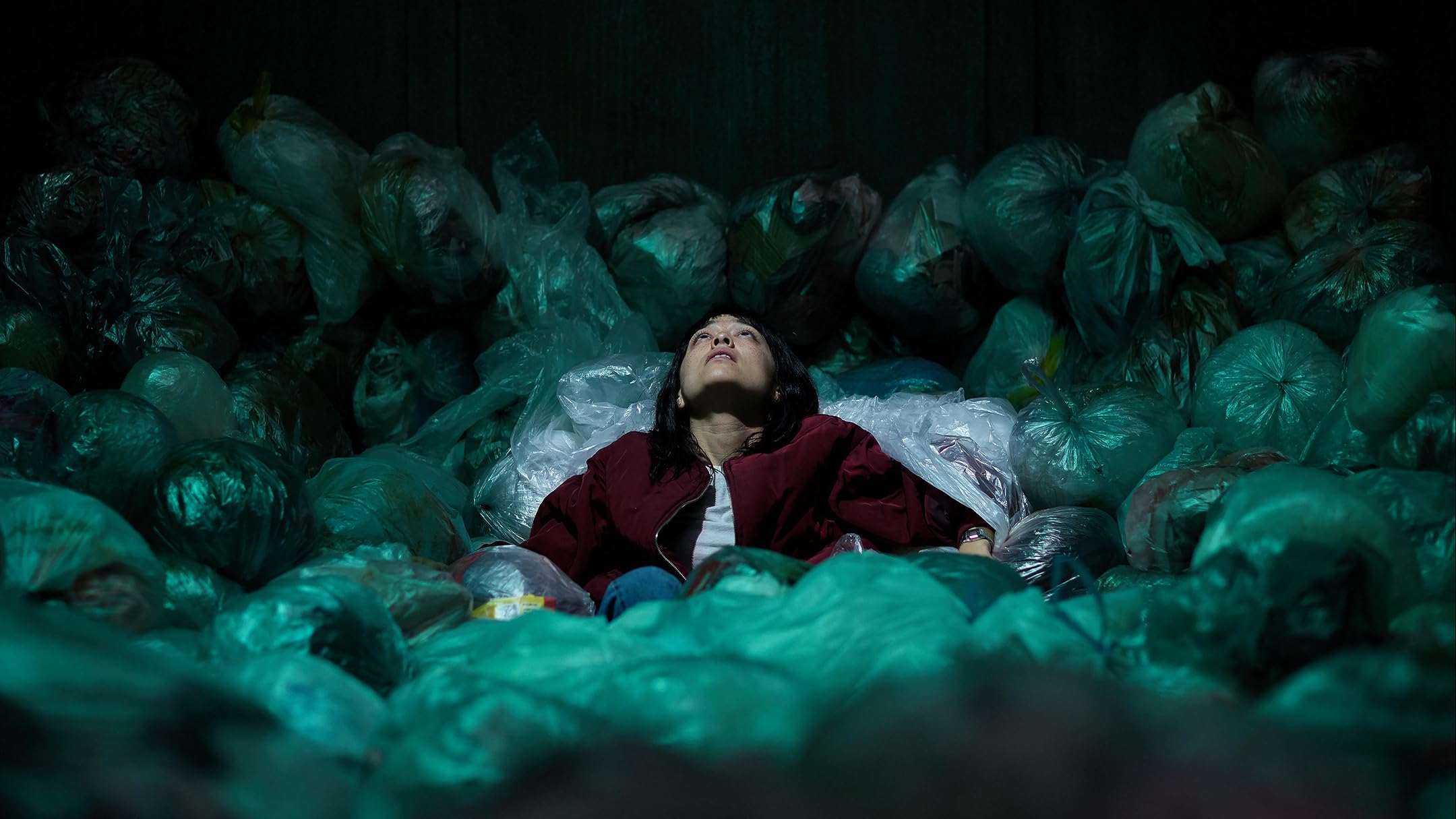
The score also deserves a lot of credit. It has an appropriately unsettling quality without constantly screaming at the audience that something scary is happening. The music and sound design work together to create a sense of unease that can linger even when nothing particularly horrific is happening on screen. It is the kind of score that quietly gets under your skin rather than relying entirely on loud musical stings.
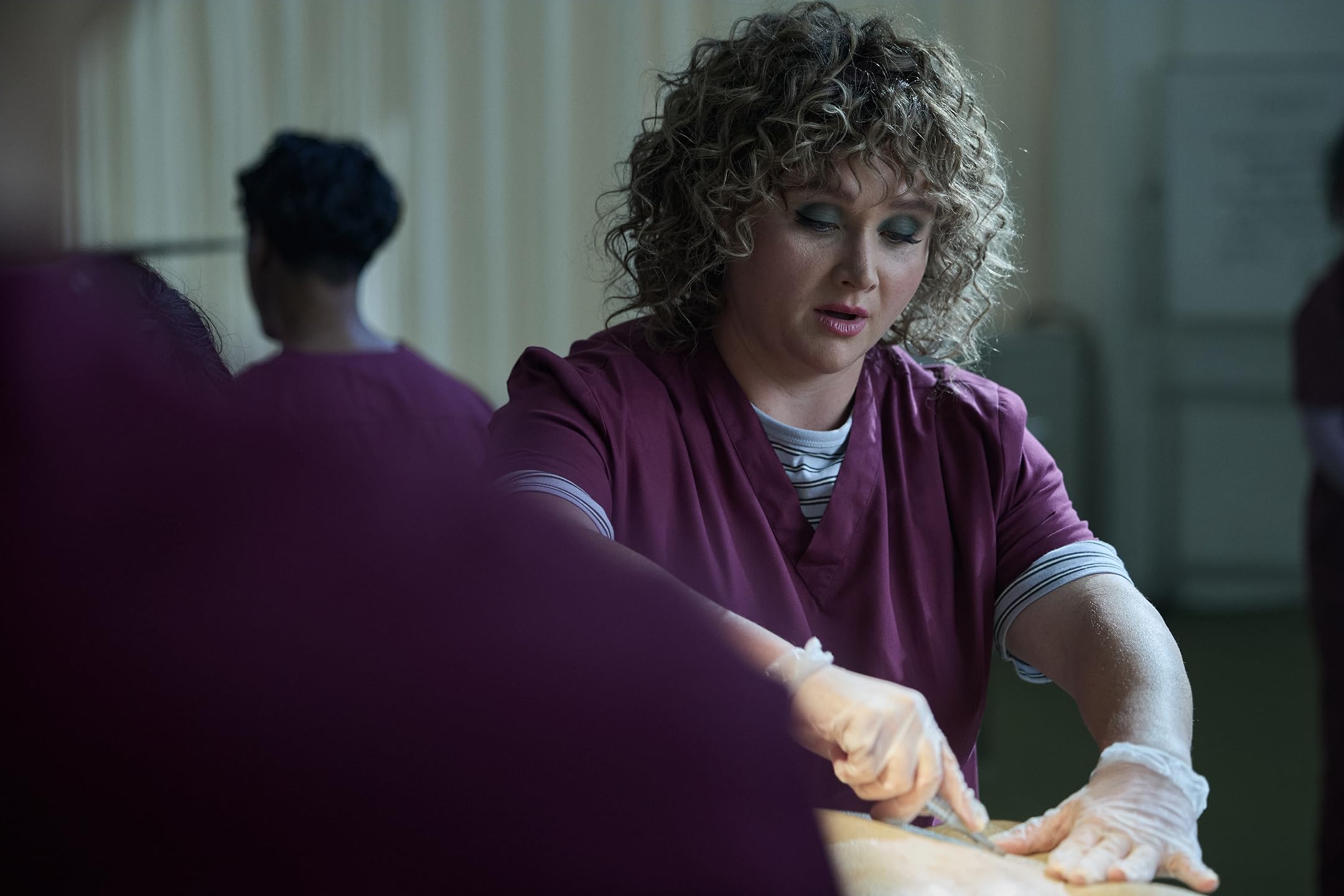
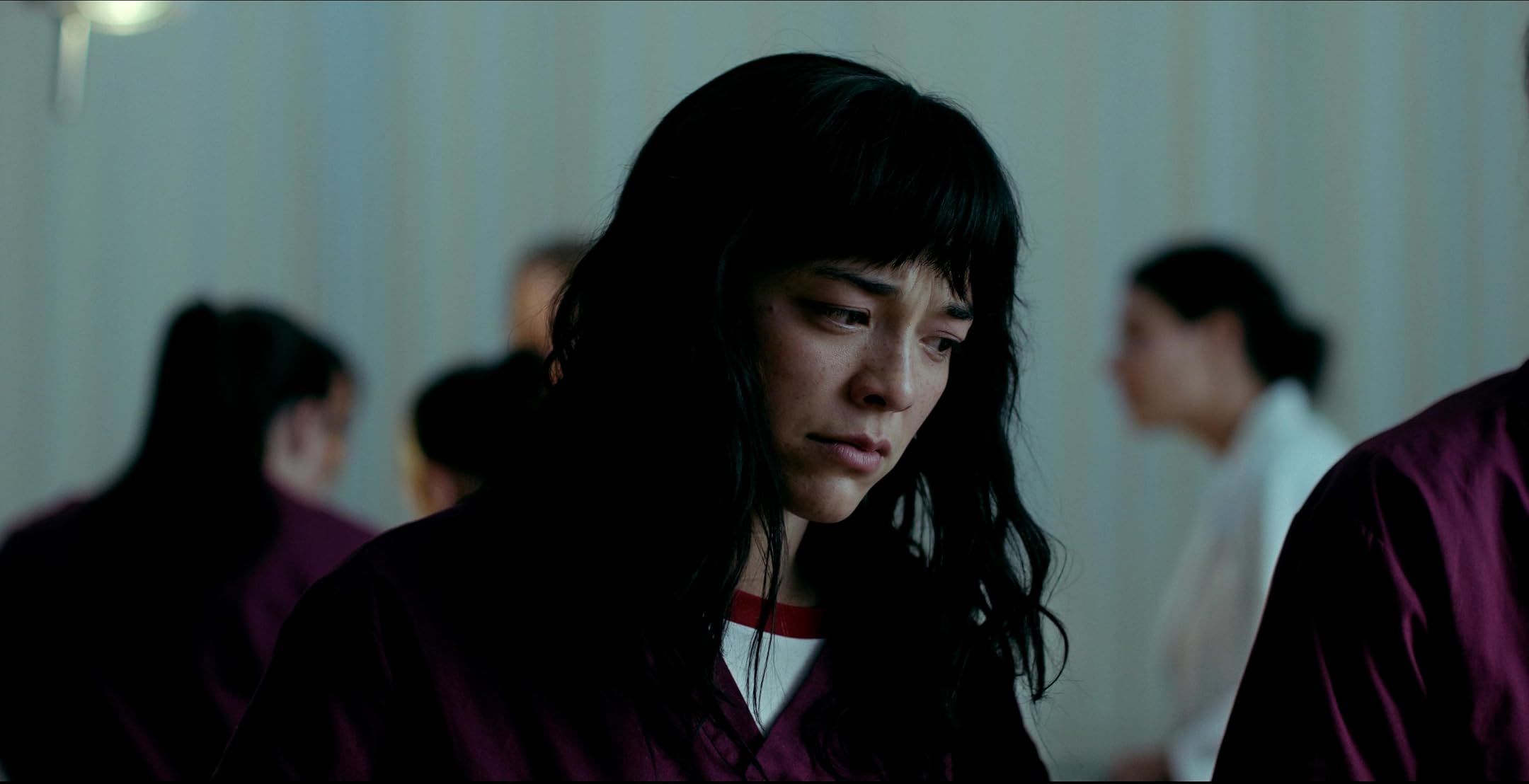
Midori Francis is another major reason the movie works as well as it does. Her performance as Hana gives the character enough depth that I actually became invested in what happened to her. I found myself rooting for her, and that is something a lot of modern horror movies don’t accomplish particularly well. Horror can often treat its protagonists as little more than vehicles for getting from one gruesome scene to the next. Saccharine gives Hana enough of an emotional journey that her struggles actually matter.
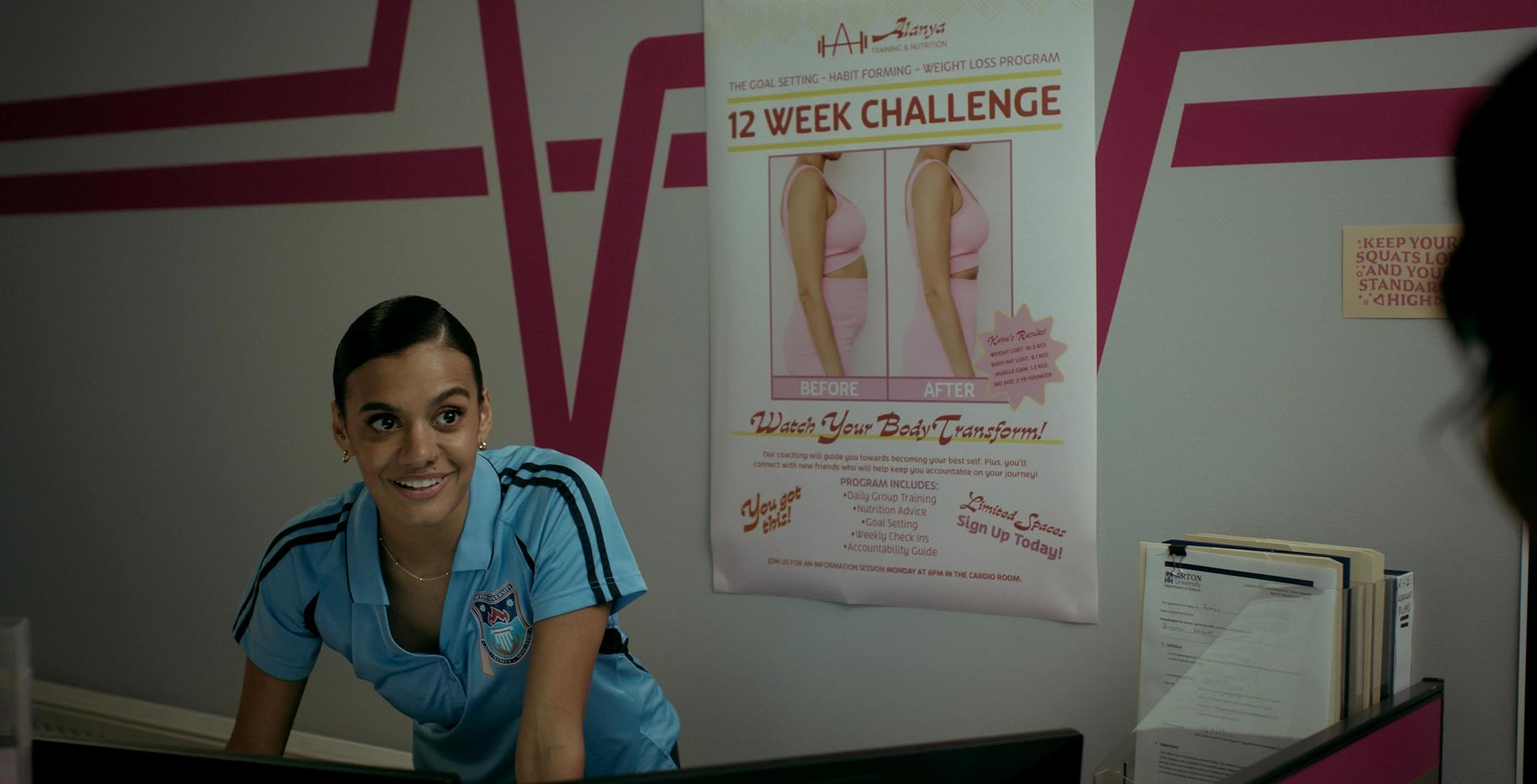
That connection to the protagonist makes the horror more effective because I cared about the consequences of what was happening to her. Francis brings an emotional vulnerability to Hana that keeps the character from becoming simply a collection of horror-movie decisions. There are moments where you may question her choices, but you can understand why she is making them.
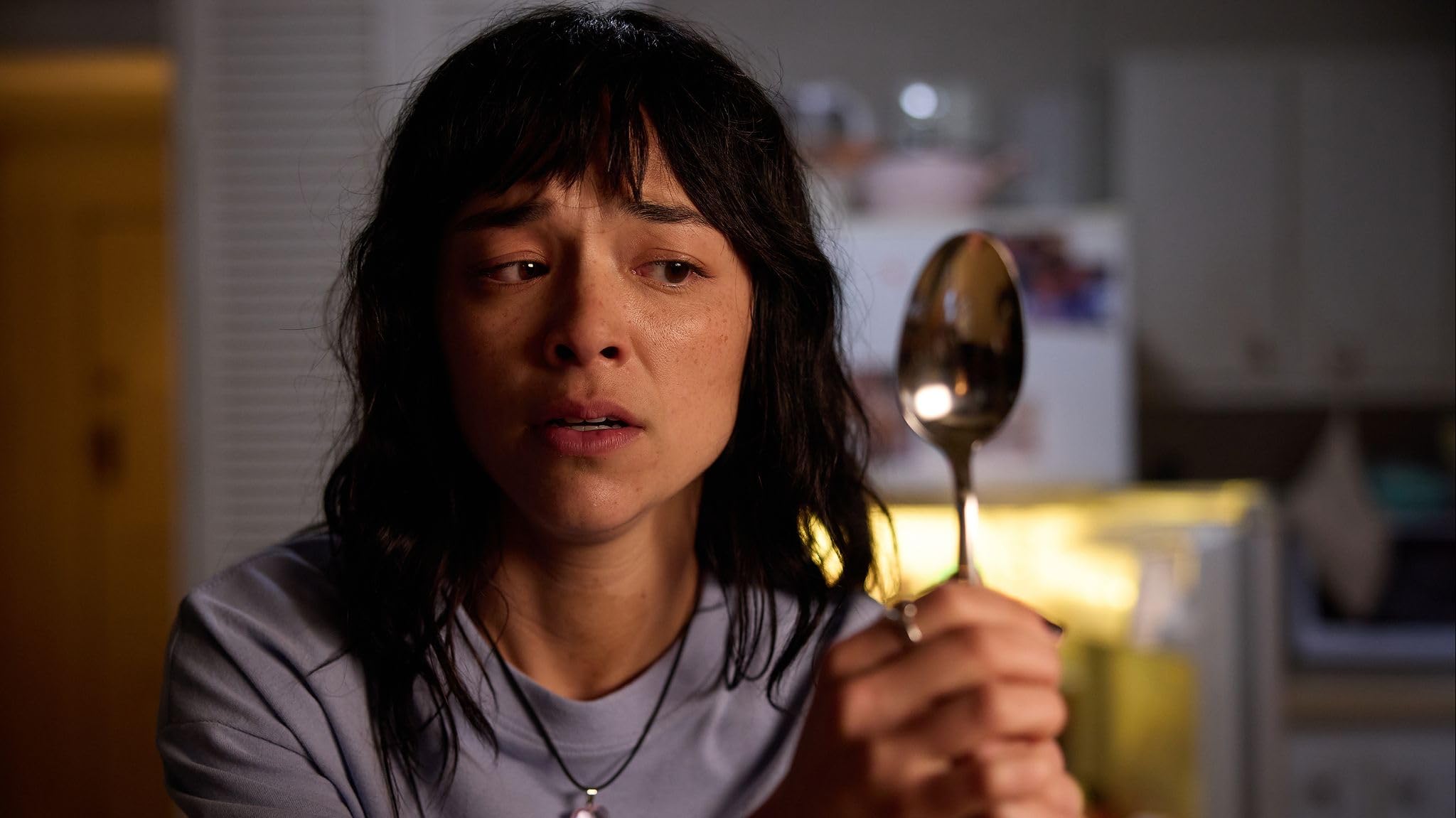
Unfortunately, the dialogue doesn’t always match the strength of the performances or the filmmaking. There are several moments where conversations feel clunky or forced, and those scenes occasionally pulled me out of the experience. Some of the dialogue feels like it is there to communicate an idea to the audience rather than something these characters would naturally say to one another. It’s not enough to derail the movie, but it does stand out because so many other aspects of the production are handled with considerably more confidence.
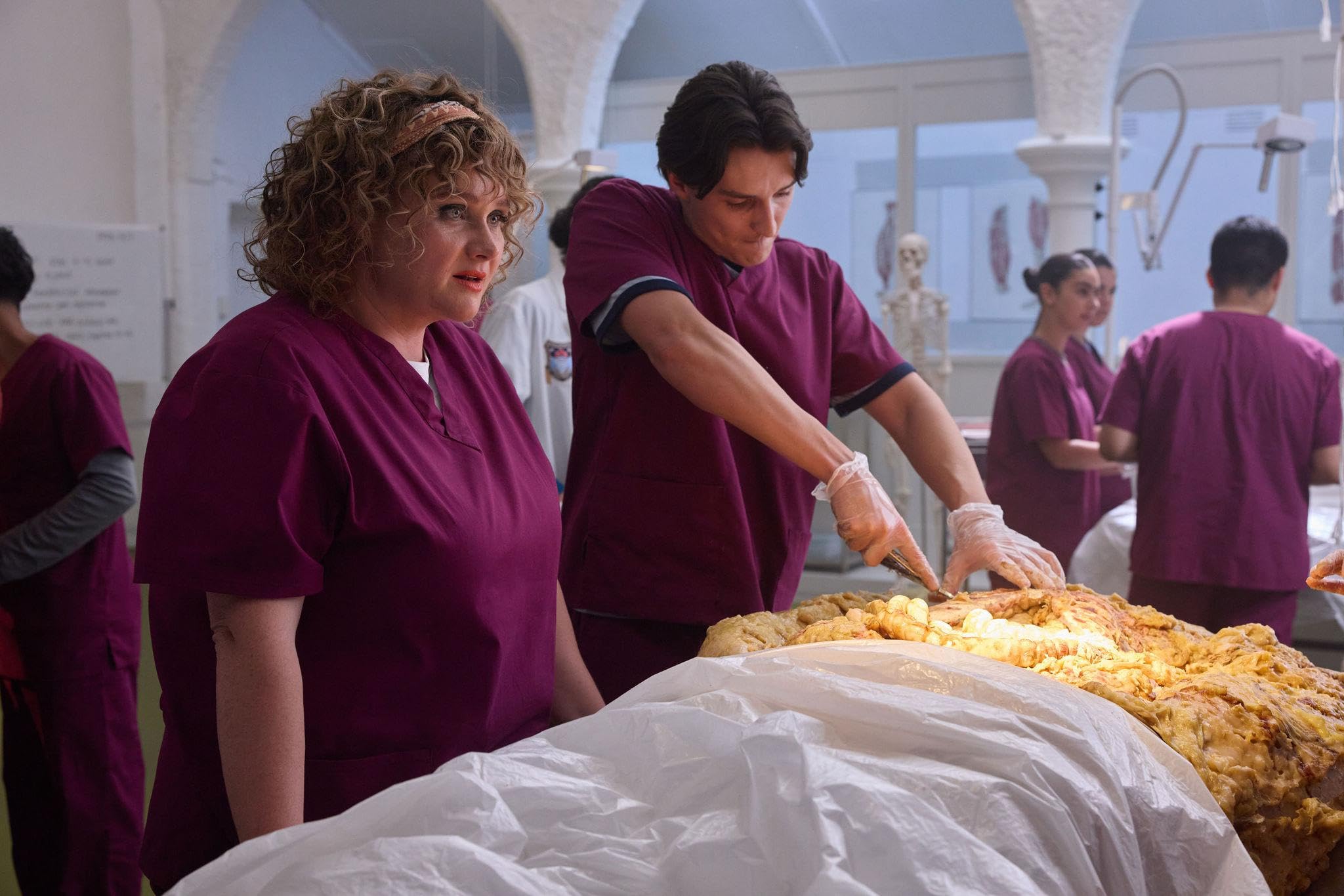
The practical and visual effects are also mostly convincing. Saccharine isn’t afraid to get uncomfortable, and some of its imagery can be genuinely difficult to watch. Thankfully, the effects generally feel like they belong within the world of the movie rather than looking like obvious digital creations. The film knows when to let an image sit there long enough for the audience to process just how disturbing it is.
Where I think Saccharine could have benefited from some additional tightening is the pacing. At 113 minutes, the movie isn’t excessively long, but there are stretches where the story feels like it is taking longer than necessary to get to the next significant development. A little trimming could have made the progression feel more consistent and given the film a sharper sense of momentum.
That said, the conclusion caught me by surprise. I’m deliberately not going to get into the details because I think the ending is something audiences should experience for themselves. Even if the journey getting there occasionally feels uneven, the movie manages to pull off a conclusion that I wasn’t expecting.
Overall, Saccharine is an interesting addition to the horror genre that doesn’t rely solely on conventional scares. Its premise is unusual, its cinematography is excellent, the score creates a consistently unsettling atmosphere, and Midori Francis gives the film an emotional center that makes Hana someone worth caring about. The dialogue and pacing hold it back somewhat, but there is enough here to make Saccharine worth seeking out, particularly for horror fans who enjoy movies that mix supernatural horror with body horror and psychological themes.
Saccharine isn’t a perfect horror movie, but it is a memorable one. More importantly, it has an idea at its center that sticks with you—and for a horror movie, that’s not a bad aftertaste to leave behind.
I liked it enough and would rate it a 6.5/10.