

Fresh gameplay and new details for Outward 2 have emerged from the New Game Plus Showcase, offering a closer look at how Nine Dots Studio plans to evolve its unconventional open-world RPG formula. Presented by Guillaume Boucher-Vidal, CEO, Founder, and Creative Director at Nine Dots, the showcase highlighted how lessons learned from the original Outward are shaping a more reactive, demanding, and immersive sequel.
First released in 2019, Outward has since surpassed 3 million players, earning a reputation for punishing survival mechanics and systems-driven roleplaying. Outward 2 aims to push those ideas even further when it launches into Early Access on Windows PC later this summer.
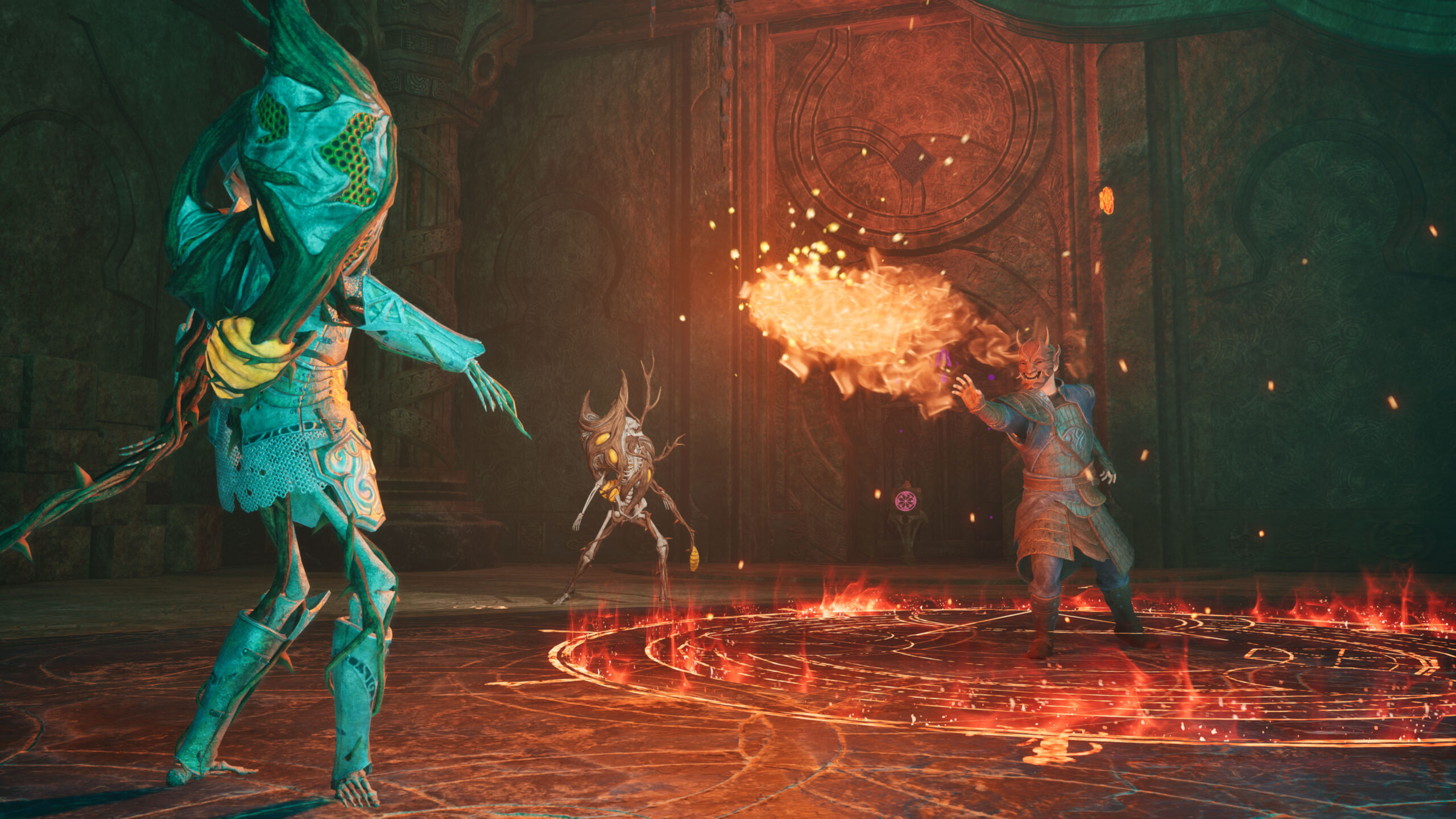
Still Just an Adventurer—Not a Chosen One
As with the original, players won’t step into the boots of a legendary hero. In Outward 2, you’re once again an ordinary adventurer struggling to survive in the unforgiving world of Aurai. The sequel expands player origins with three starting scenarios and eleven backgrounds, determining not just who you are, but where and how your journey begins.
Failure is still part of the experience. Getting knocked out doesn’t mean a reload—it means consequences. You might be robbed, rescued, imprisoned, or wake up injured in a distant town. Life moves on, whether you’re ready or not.
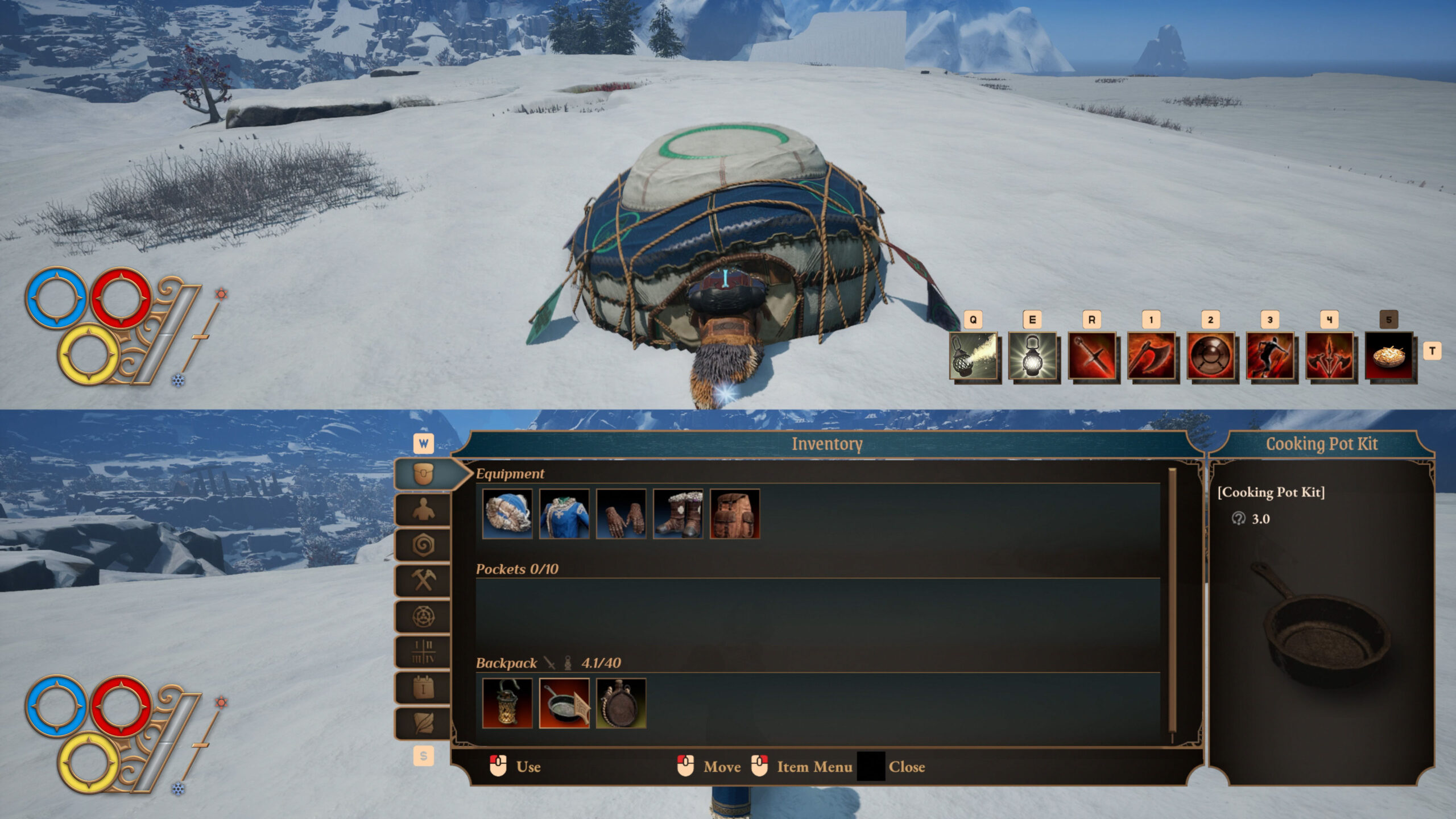
A World That Changes With the Seasons
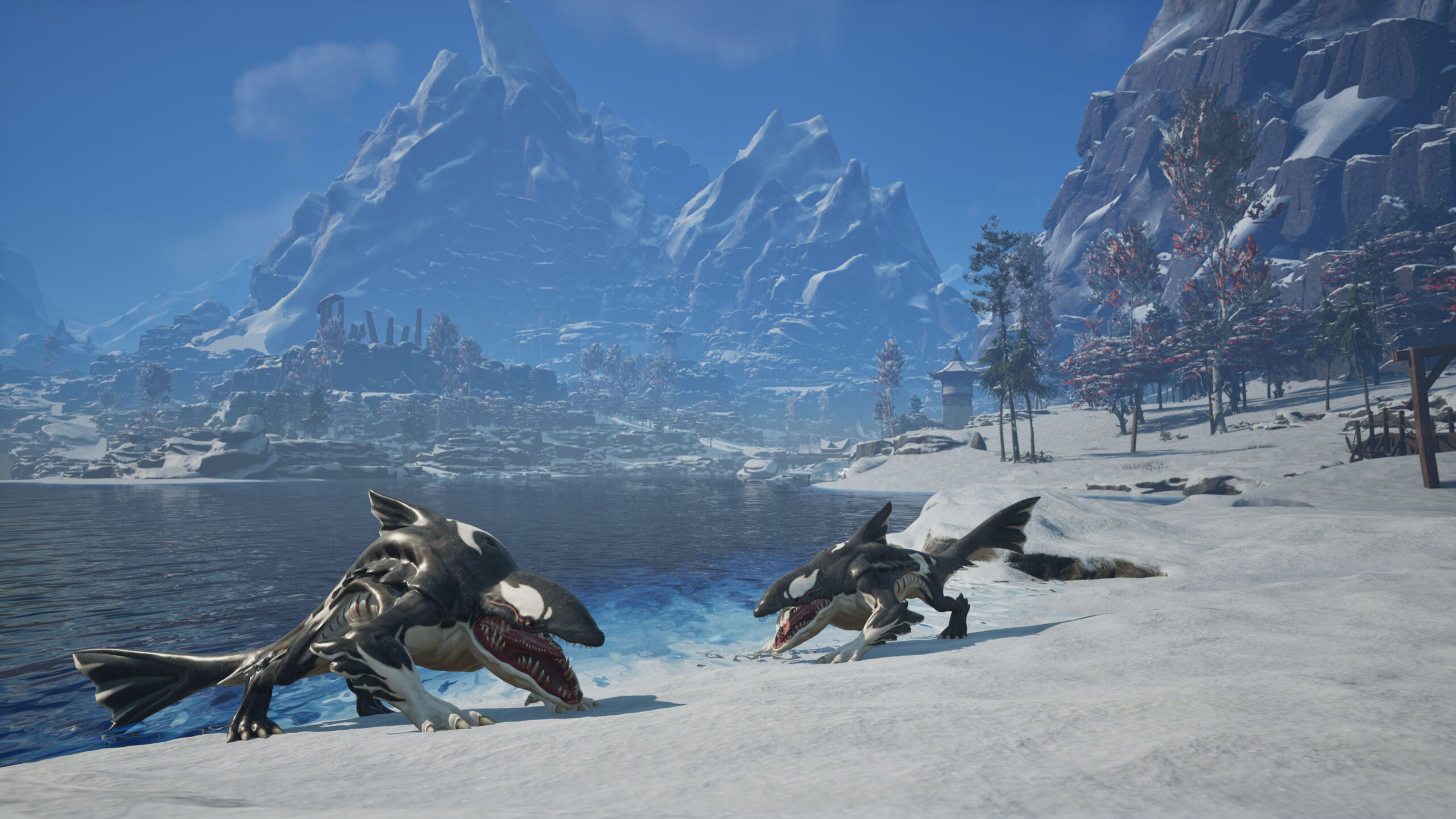
One of the biggest additions is a full-year seasonal cycle that dynamically alters Aurai. Resources shift, wildlife behavior changes, NPCs migrate, and environments transform—frozen rivers open new paths in winter, while other regions become even more hostile.
The world is divided into four major regions, each with unique biomes and environmental threats. From the blizzards of the Gilded Mountains to the acid rains of the Gathes of Catharsis, every journey presents new survival challenges.
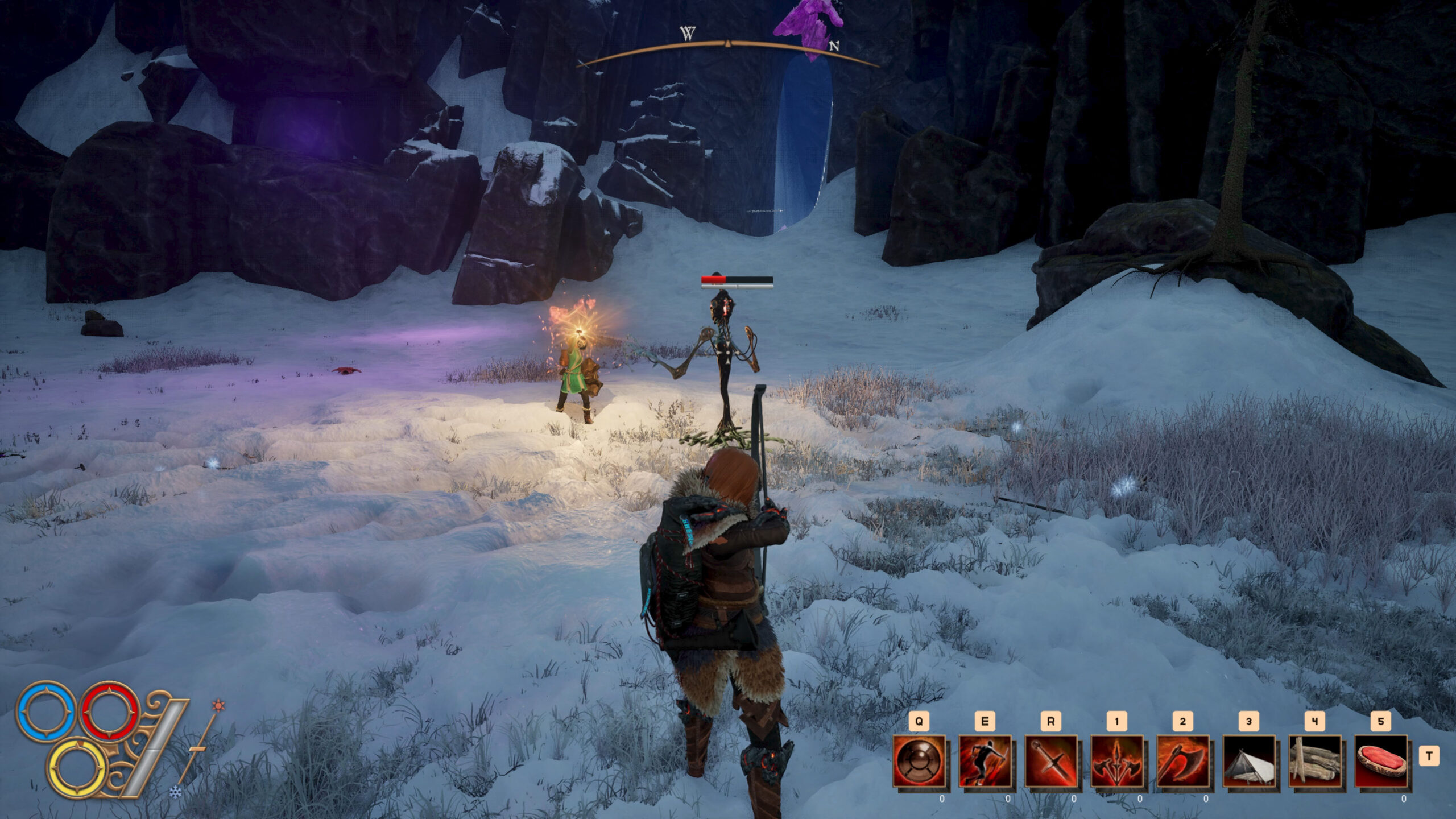
Progression Through Playstyle, Not Menus
Character growth in Outward 2 is driven by how you play. A new Exercise system allows passive skills to develop organically based on your actions—weapon choices, armor weight, and combat tactics all shape your abilities over time. Specialized trainers scattered across Aurai can further refine your skills, but survival knowledge comes at a cost.
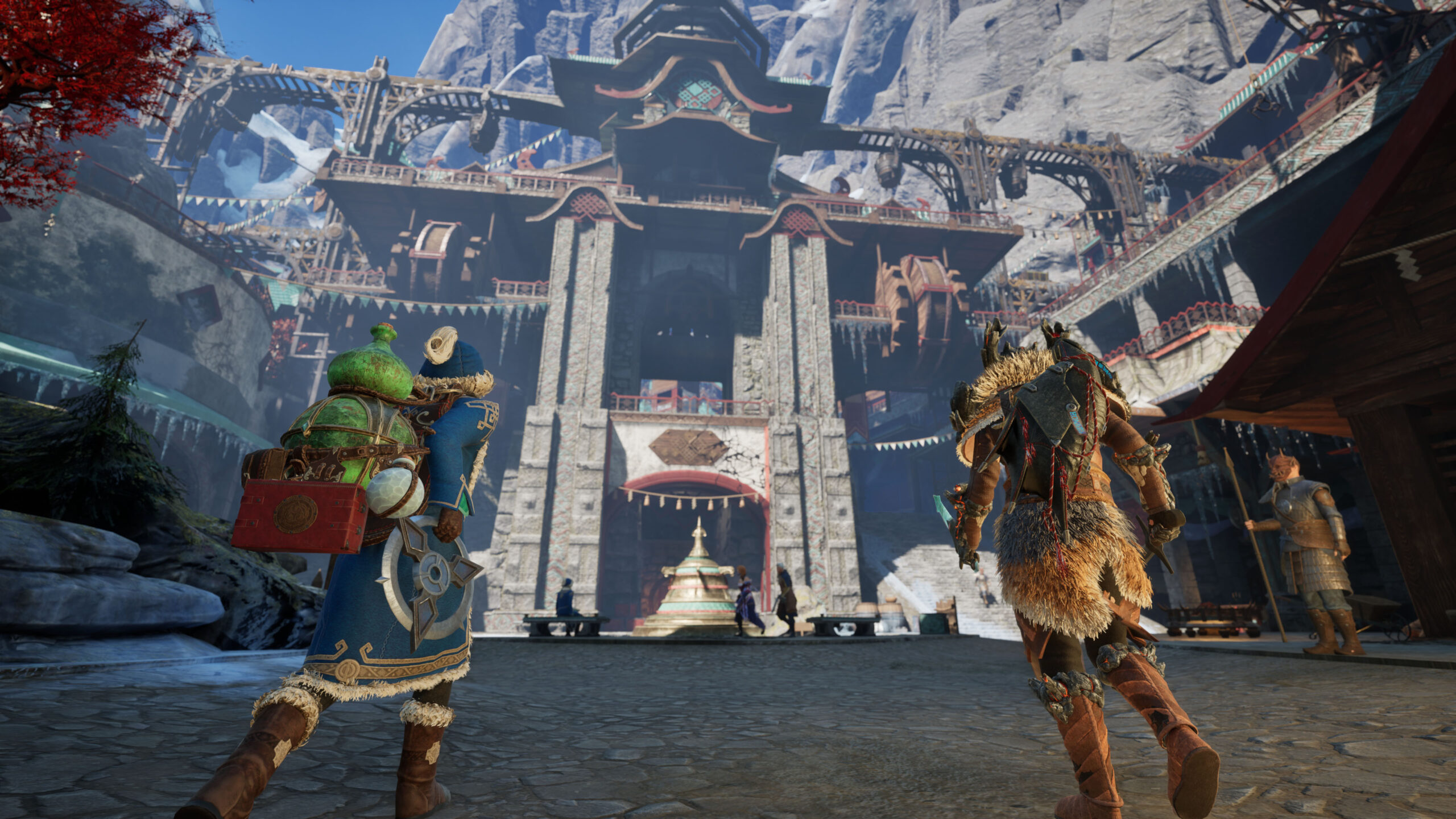
Ritual Magic and Refined Combat
Magic remains deliberate and dangerous. Spells are cast through ritual-based systems, requiring preparation and positioning rather than quick button presses. Combat has also seen major refinements, with improved animations, more weapon combinations, and expanded tactical options—all informed by player feedback from the first game.
Dual wielding, enhanced tool variety, and greater control aim to make every encounter feel earned rather than scripted.
Survival Is in the Details
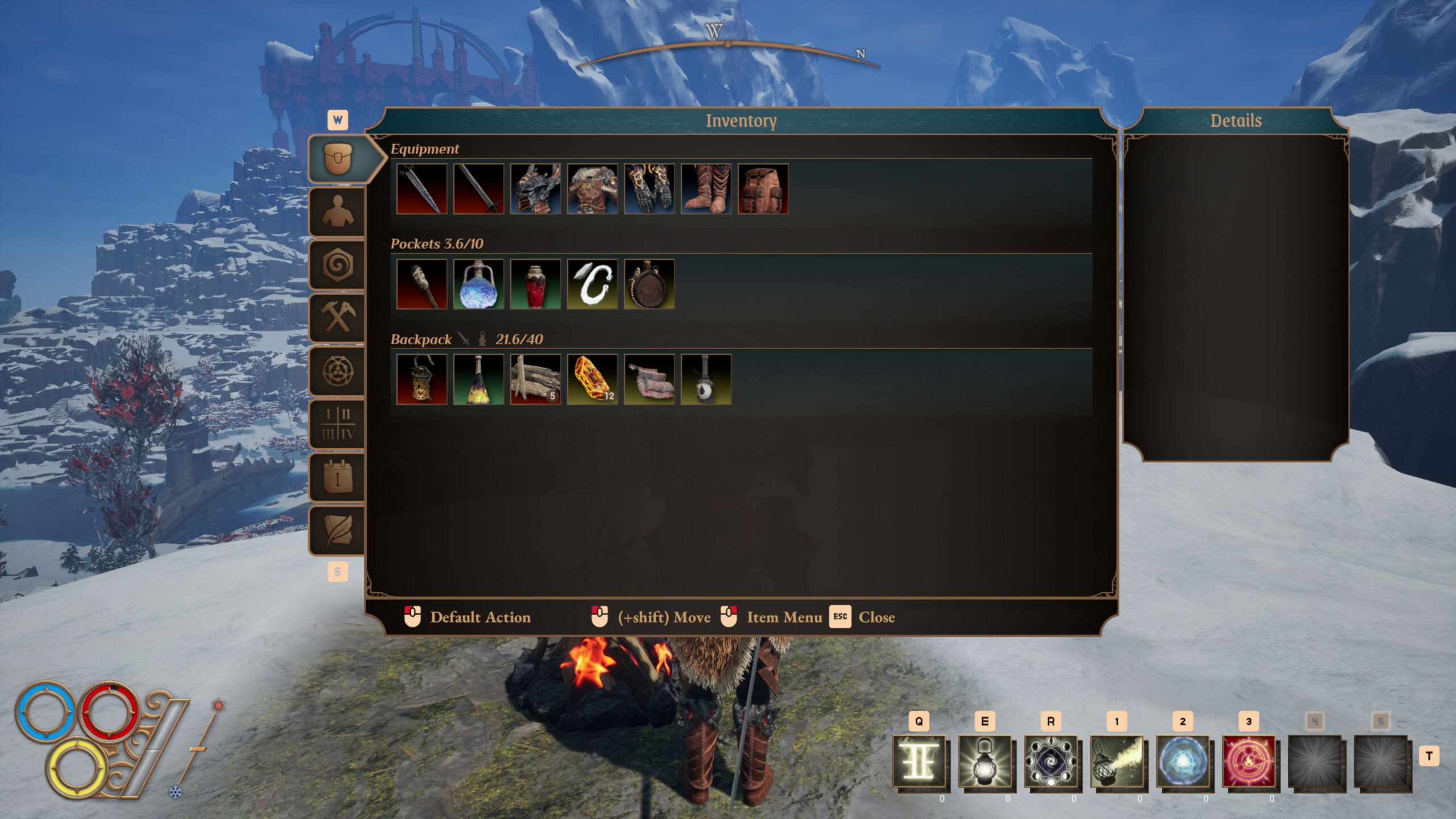
Inventory management remains central to the experience. Your backpack is both a blessing and a burden—packed with supplies, weapons, and camping gear, but slowing you down in combat. Dropping it mid-fight can mean survival. New to the sequel is a pack mule, allowing players to carry more loot at the risk of protecting a vulnerable companion.
Better Together
Outward 2 supports two-player split-screen and online co-op, encouraging teamwork in a world that actively punishes unprepared adventurers. Coordinating builds, sharing resources, and covering each other’s weaknesses opens up new strategies for survival.
Outward 2 is shaping up to be a deeper, more reactive evolution of Nine Dots’ vision—one where patience, preparation, and persistence matter just as much as skill. The game launches into Early Access for PC later this summer, continuing its mission to challenge what an open-world RPG can be.