


Anraga Studios and The Farm 51 have announced Rescue Drone Simulator: Second Chance, a story-driven rescue action simulator set in the near future. Players will take control of specialized drones and be sent into the middle of fires, explosions, natural disasters, infrastructure failures, extreme weather events and other dangerous situations where sending people directly into harm’s way isn’t an option.
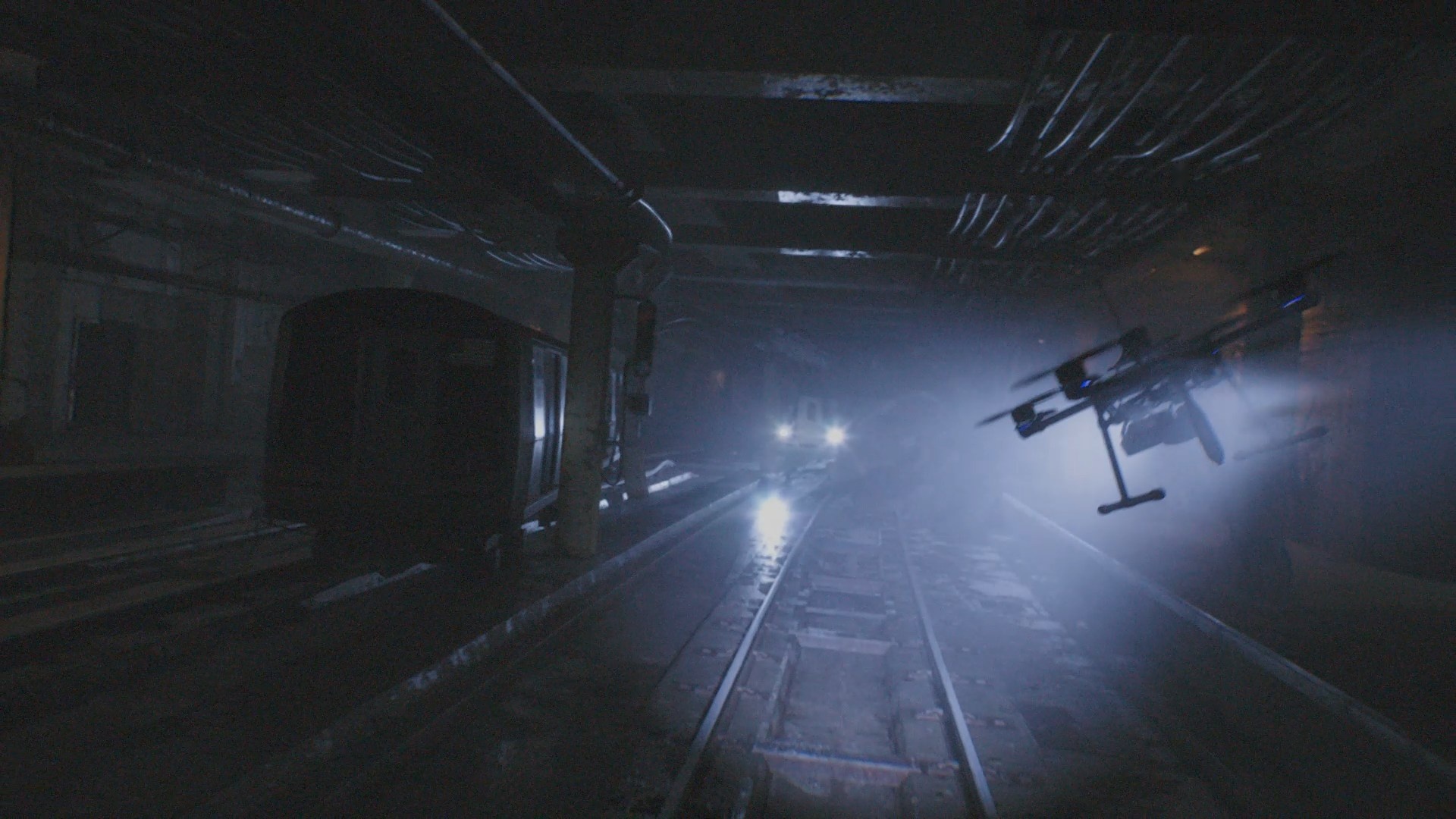 Throughout the campaign, players will need to assess each emergency, determine the appropriate response, select the right drone and complete rescue operations under pressure. The drones aren’t simply flying cameras, either. Their weight, inertia, thrust, aerodynamics, battery capacity, damage and weather conditions all influence how they handle. Wind can push a drone off course, while additional equipment can change its flight characteristics, making preparation in the workshop an important part of each mission.
Two control options are planned for players with different levels of drone experience. Simulator mode is designed to provide a more realistic piloting experience with realistic controls and unforgiving flight physics, while Arcade mode adds assistance to make the game more approachable for newcomers. Both controller and keyboard-and-mouse controls will be supported, along with first- and third-person camera options and indicators for factors such as speed and wind.
The game’s title also ties directly into its story. The rescue unit is made up of experienced specialists who, because of accidents, illness, age or traumatic experiences, can no longer perform their previous jobs in the traditional way. Drones allow them to put their knowledge and instincts back to work from a safe distance, giving them another opportunity to do what they have always done: save lives.
Despite its near-future setting, Rescue Drone Simulator: Second Chance avoids a traditional sterile science-fiction aesthetic. The visual direction draws heavily from the 1980s and 1990s, featuring industrial environments, analog electronics, physical control panels and equipment designed with practicality in mind. Wojciech Pazdur, CEO and co-founder of The Farm 51, serves as art director and also composes the soundtrack, which takes inspiration from the sounds of the same era. Pazdur was previously associated with People Can Fly and worked as a co-creator of Painkiller.
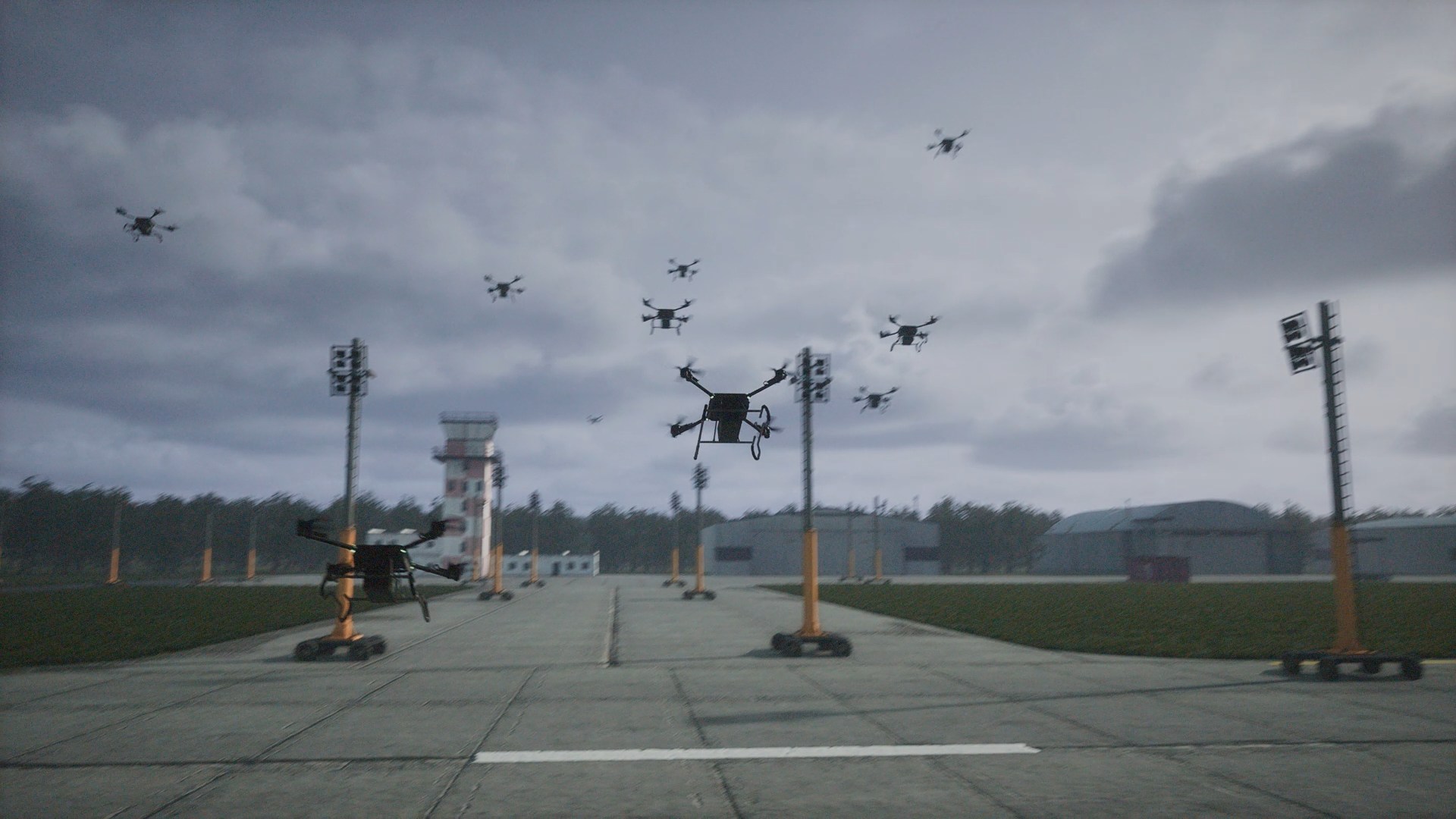
The story is being written by Artur Fojcik, Game Director at The Farm 51, whose previous work includes Chernobyliteand Get Even, the latter of which received a BAFTA Games Award nomination. The campaign begins with individual rescue operations before a series of disasters, climate anomalies and infrastructure failures begin to reveal a much larger crisis. Alongside the unfolding events, players will follow the personal stories of the rescue team and their pursuit of a second chance.
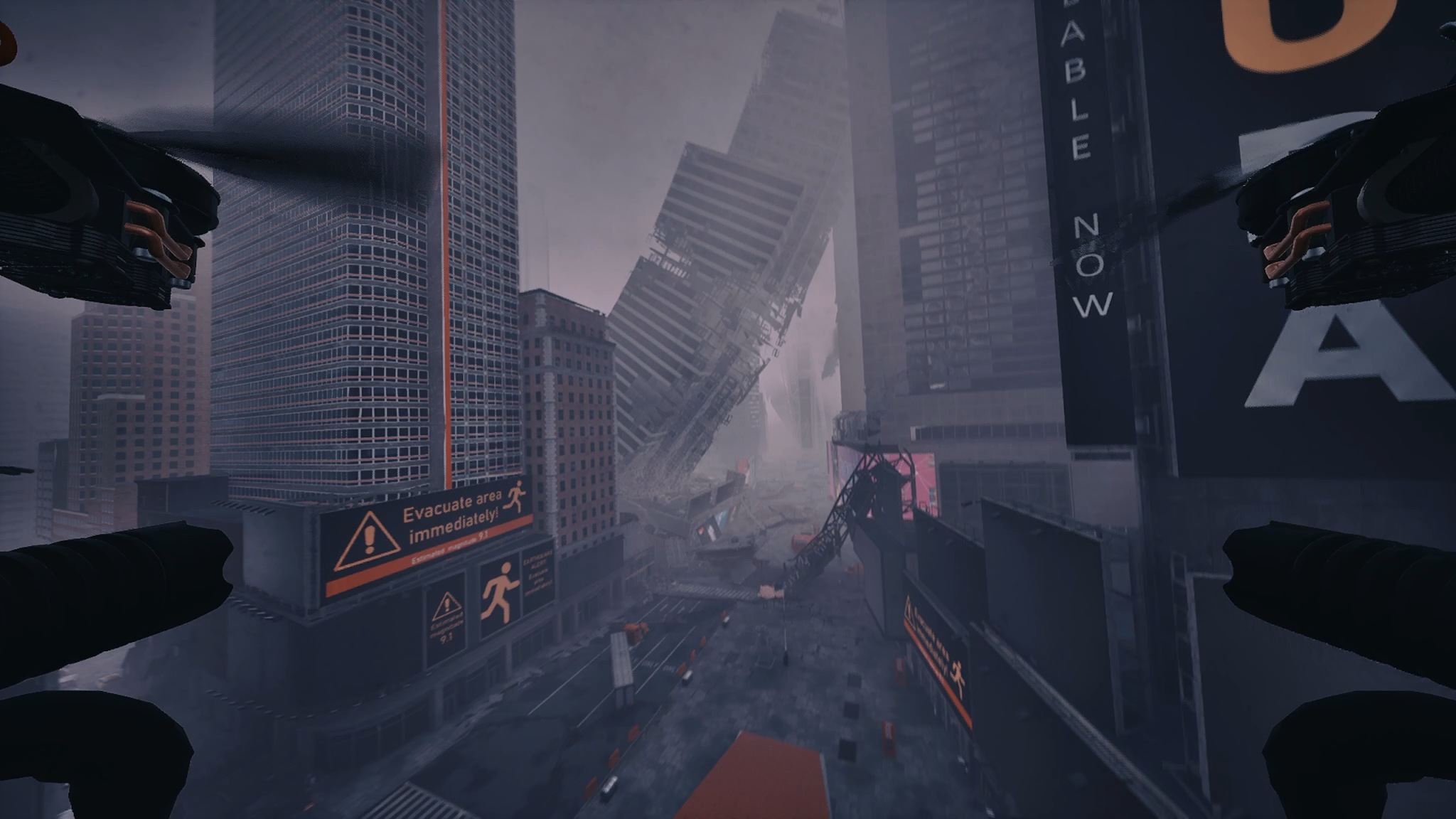
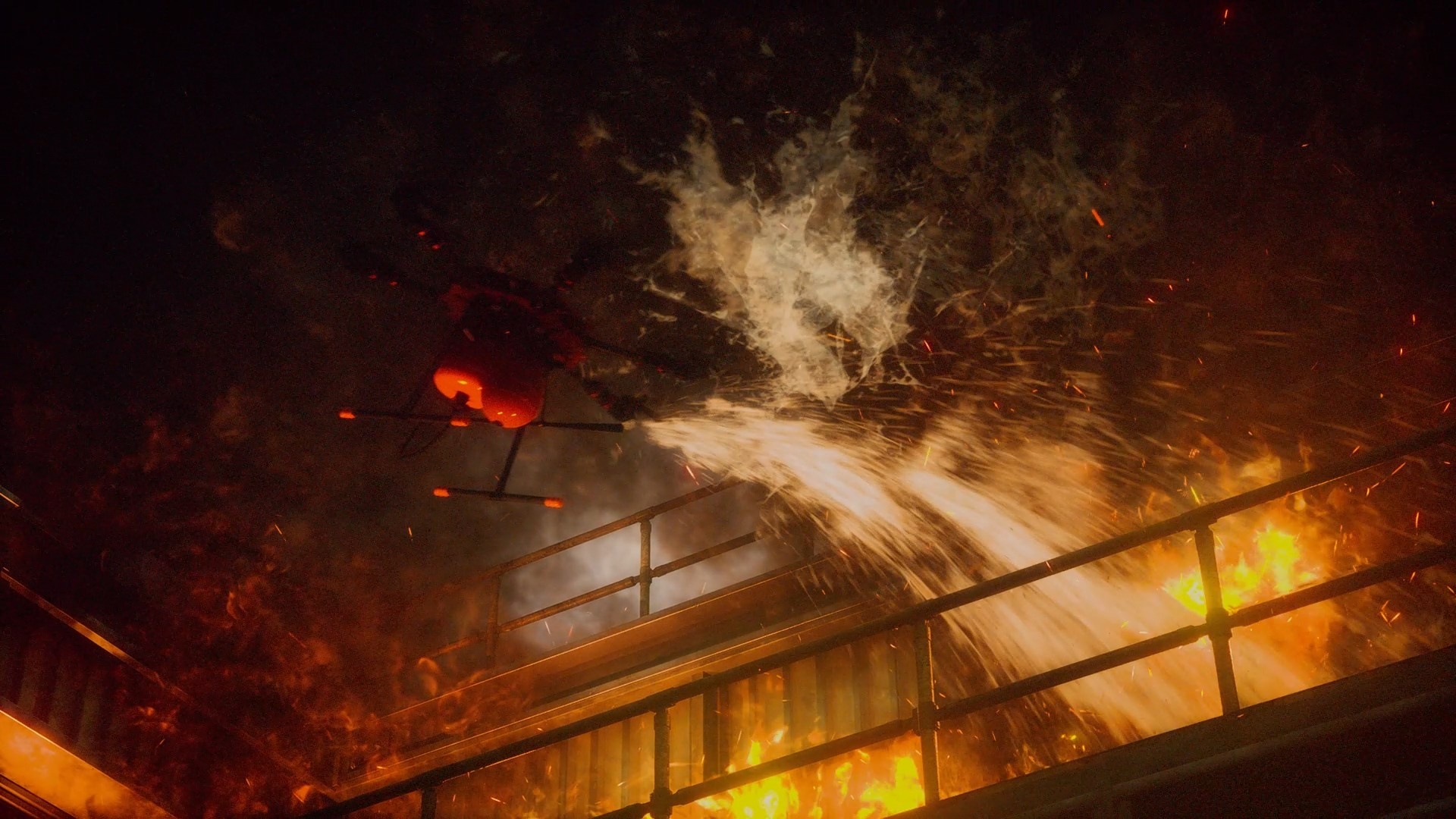
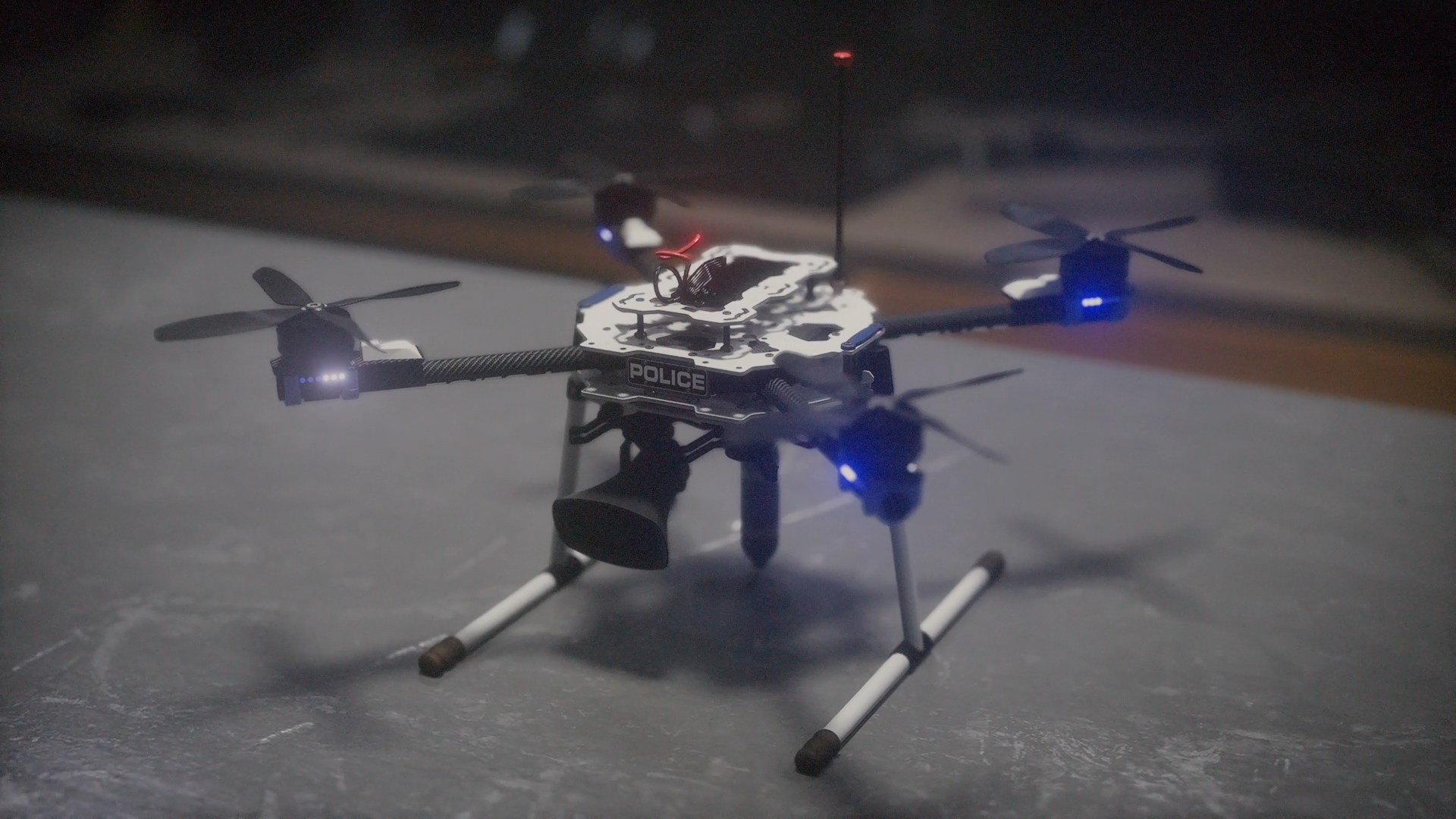
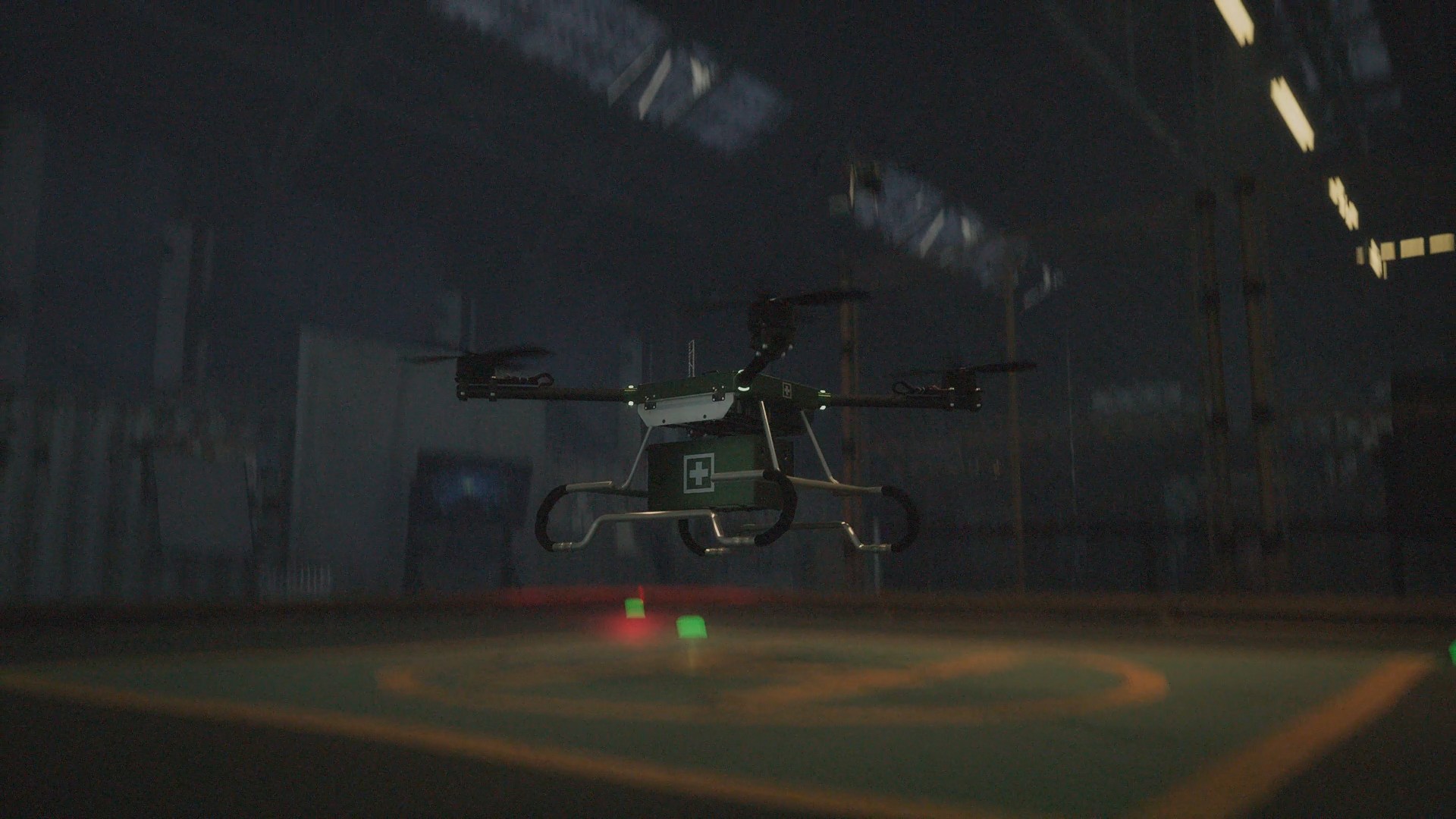
Players will have access to four specialized drones, each designed for a different type of emergency. The Rescue Drone can track missing civilians through their cell signals, deliver medical kits and mark targets from the air. The Firefighting Drone uses a powder extinguisher or drops water balloons to tackle fires from a safe distance. The Police Drone can issue commands through a megaphone and deploy smoke grenades and a taser, while the Interceptor Drone uses a net launcher to disable hostile drones and secure the airspace around an operation.
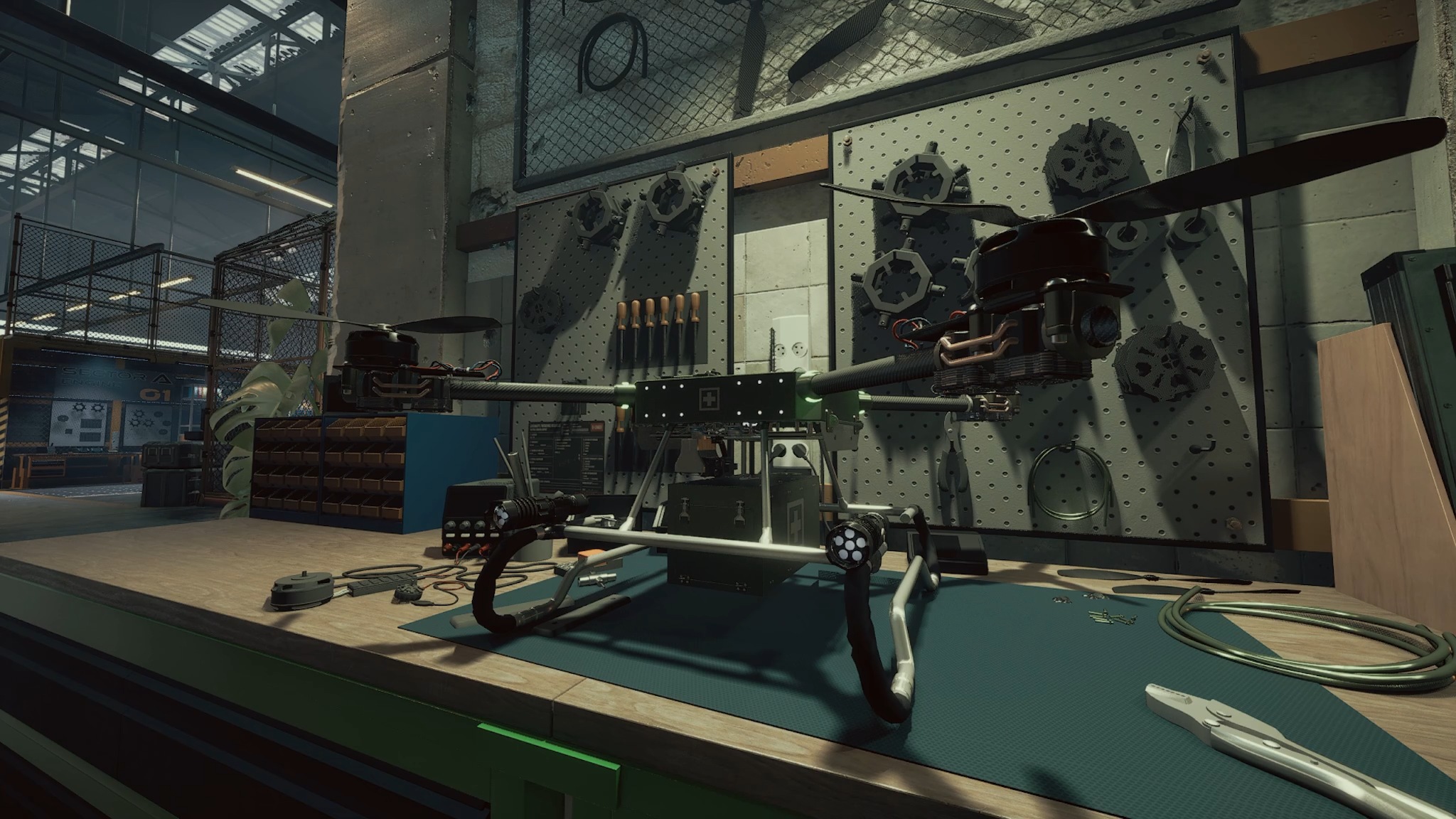
A full workshop system will allow players to customize their fleet with different motors, propellers, batteries, arms, wiring and cooling systems. These modifications will have practical effects on speed, thrust, flight time and durability, allowing players to prepare their drones for different mission requirements.
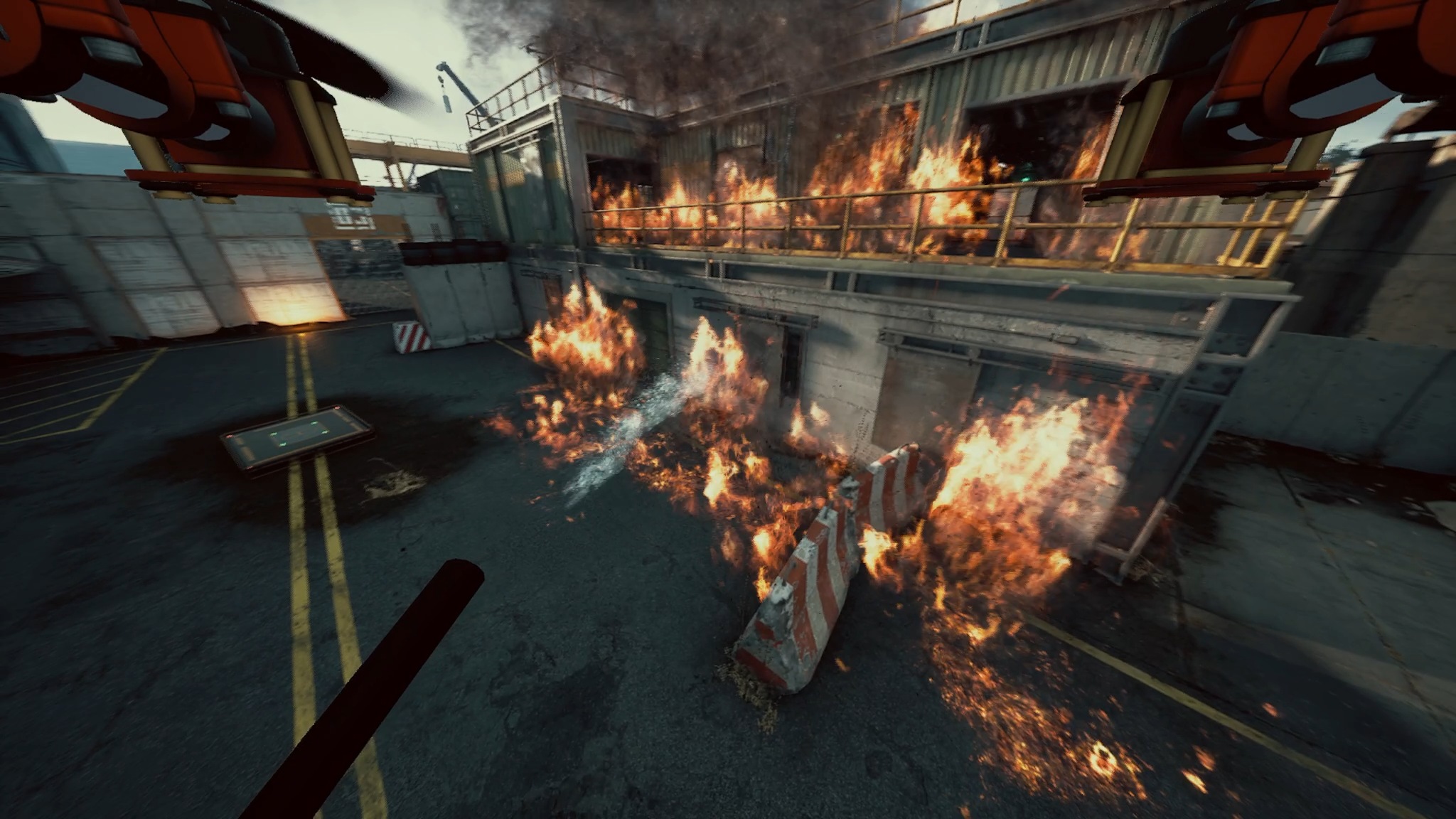
The story-driven campaign is divided into four acts and is expected to take approximately 10 to 15 hours to complete. Missions will span locations including forests, coastal areas, city centers and industrial districts, with changing weather conditions, including winter environments, capable of altering how operations unfold.