


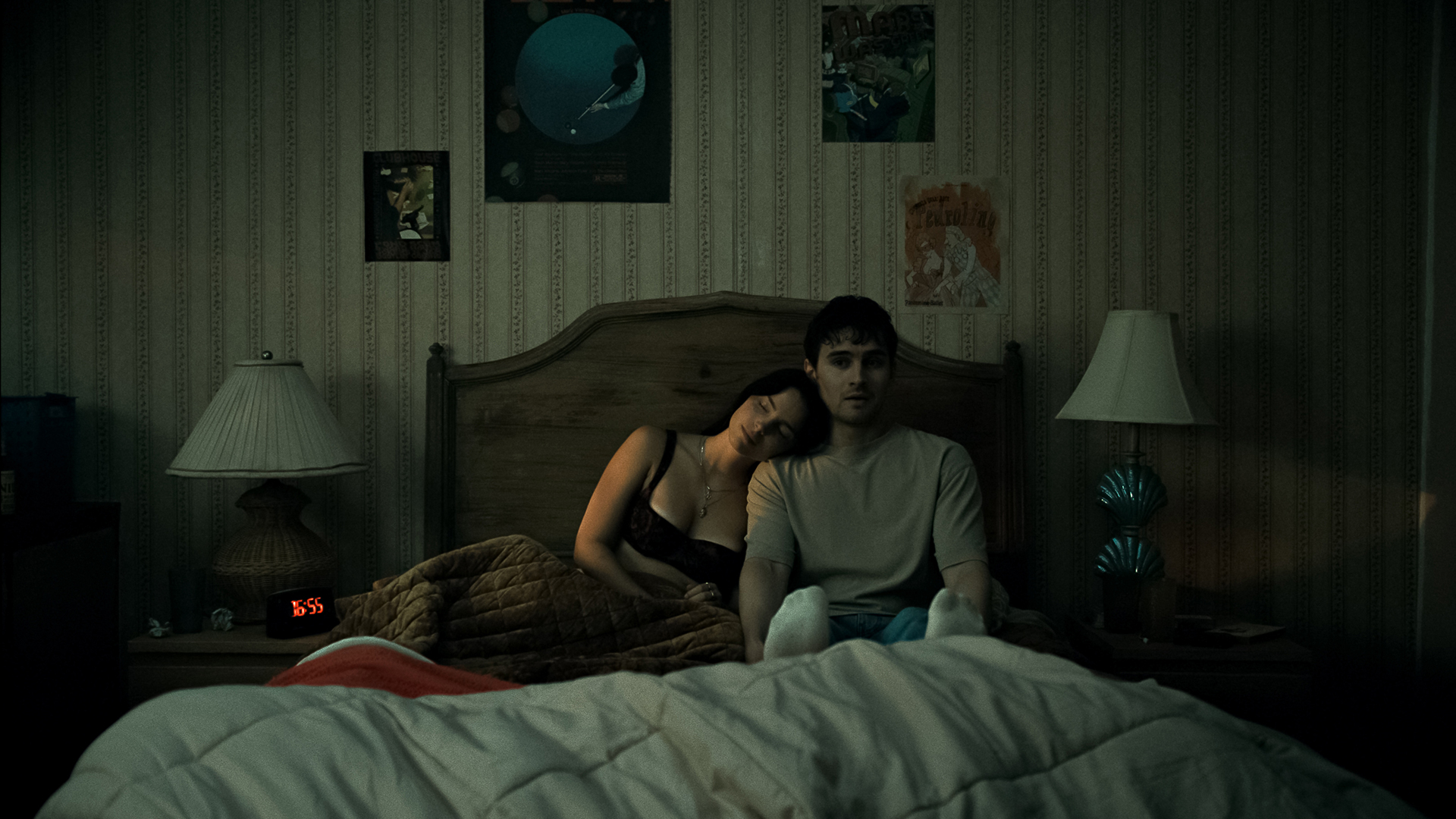
There’s something uniquely unsettling about horror movies that refuse to hand audiences a clear villain. No masked slasher stalking victims through hallways. No giant creature reveal halfway through the film. No overexplained supernatural mythology trying to connect every little detail.
Instead, the fear comes from atmosphere, paranoia, and the growing realization that something feels deeply wrong long before the movie ever says it out loud.
That’s exactly why Obsession worked so well for me.
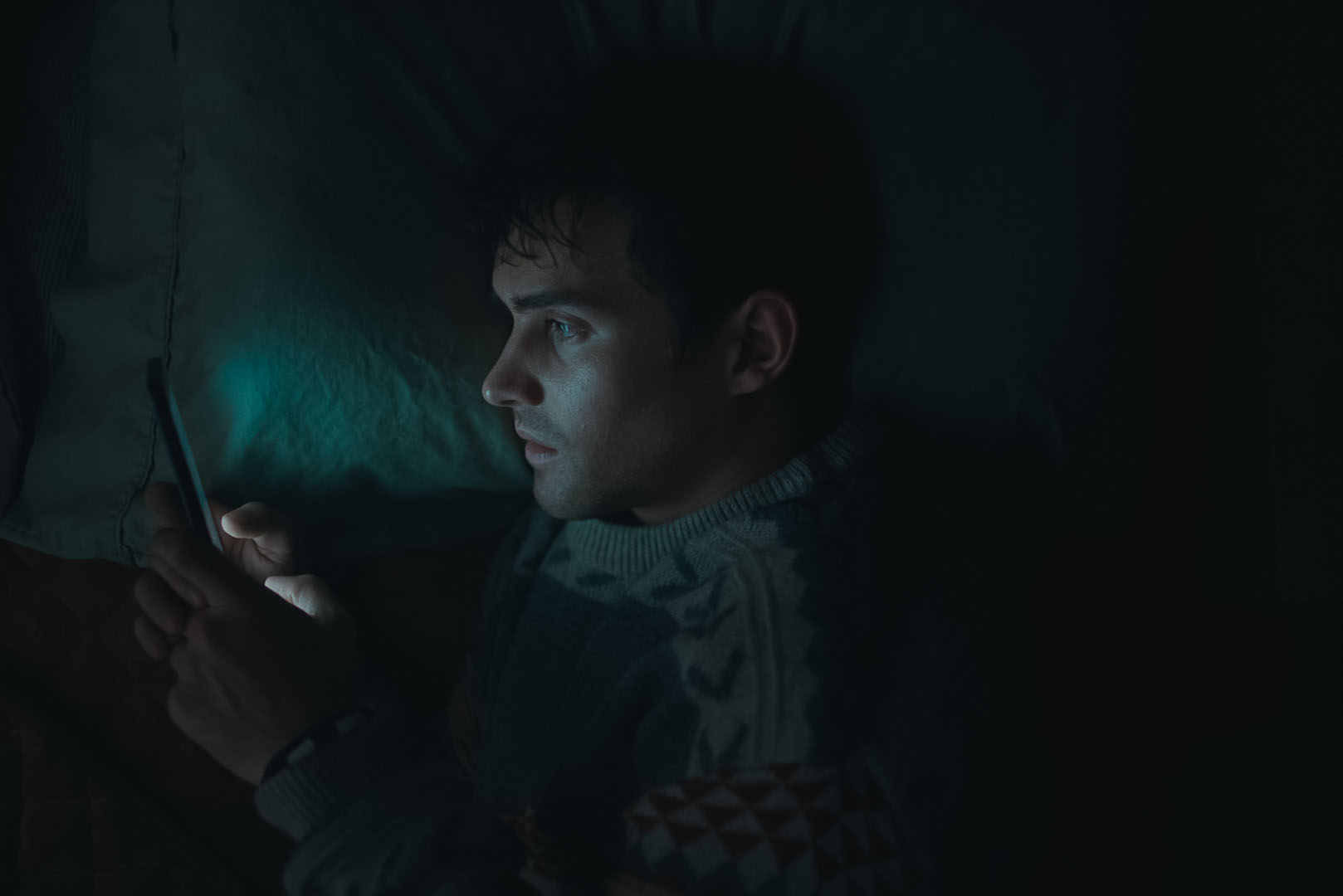
I caught the film over Memorial Day weekend, and it immediately brought to mind horror movies like Smile, It Follows, and Final Destination — movies where the dread itself becomes the monster. Obsession taps into that same uncomfortable energy by focusing less on traditional horror icons and more on tension, emotional instability, and the terrifying consequences of something that spirals completely out of control.
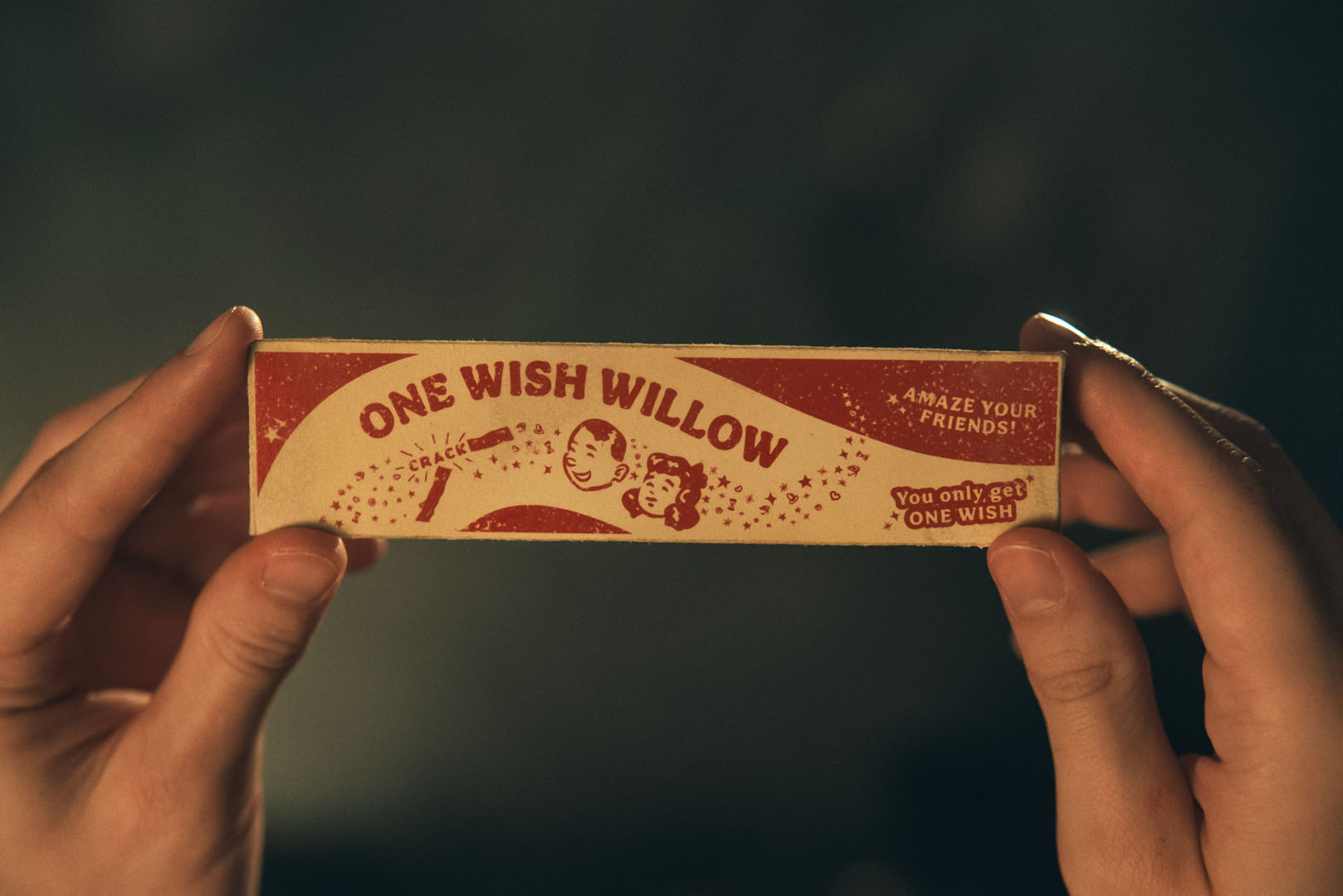
Directed by Curry Barker, the film follows a hopeless romantic whose desperate wish for love unleashes increasingly disturbing consequences. That premise could have easily become over-the-top or gimmicky, but the movie keeps things grounded enough that the escalation feels genuinely uncomfortable instead of ridiculous.
One of the most impressive things about Obsession is just how much it accomplishes with so little. The movie was reportedly shot for under $1 million and completed in only 20 days, which honestly feels unbelievable after seeing the final product.
That low-budget approach actually becomes one of the film’s biggest strengths. Everything feels intimate, raw, and strangely personal in a way that bigger studio horror movies sometimes lose. There’s a constant sense that the filmmakers had to maximize every location, every shot, and every moment of tension, and that creative restraint gives the movie its identity.
Even more impressive is the fact that the project reportedly sparked a major bidding war before Focus Features picked it up for distribution, with companies like A24 and NEON also interested in acquiring it. That makes complete sense after watching it because Obsession has the exact kind of unsettling psychological horror energy that horror fans tend to obsess over once word-of-mouth starts spreading.
The performances are another huge reason the movie works. Michael Johnston and Inde Navarrette keep everything grounded emotionally, which is important because the movie asks the audience to buy into increasingly disturbing situations without ever fully leaning into camp. The chemistry between the leads helps sell the emotional side of the story while the tension slowly keeps tightening in the background.
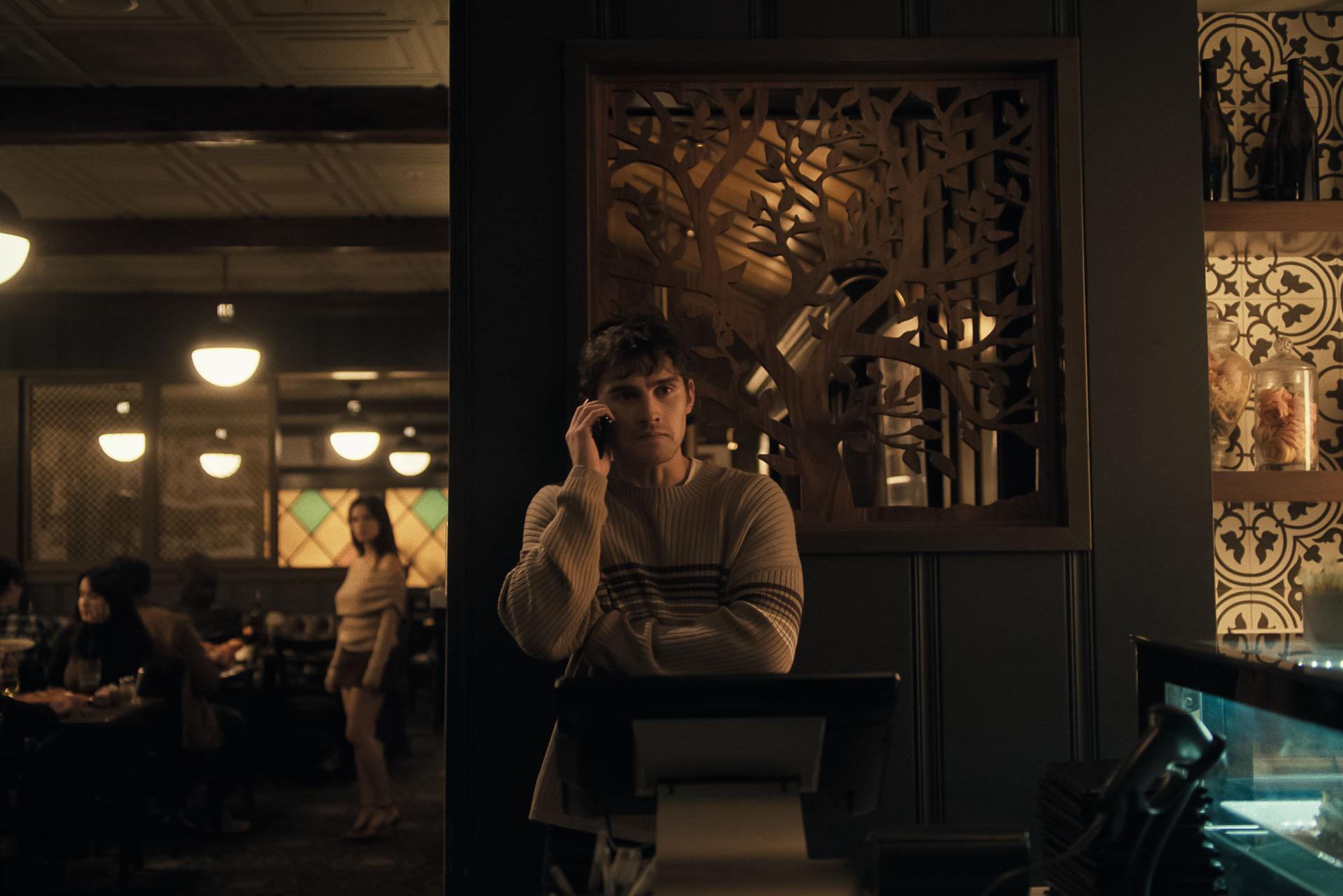
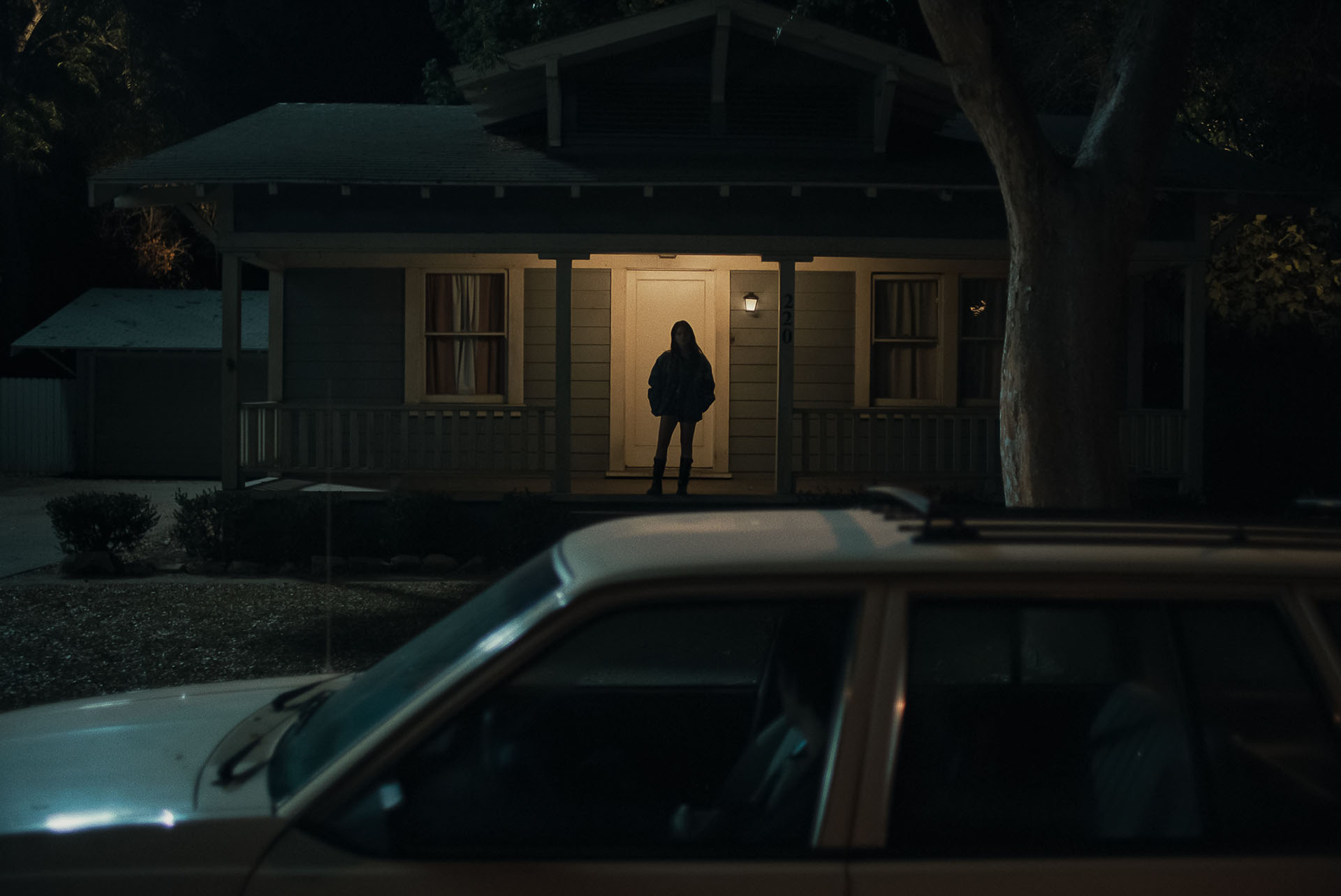
Visually, the movie does a lot with limited resources. Some shots feel intentionally dark and uncomfortable, almost like the movie wants viewers to sit in uncertainty rather than clearly see every detail. The sound design also deserves a lot of credit because so much of the tension comes from anticipation rather than cheap jump scares. Interestingly, one of the music store scenes was filmed in the same store used in Wayne’s World, which is one of those fun horror trivia details that makes indie filmmaking stories even better.
What I appreciated most is that Obsession trusts the audience. It doesn’t constantly explain itself or force unnecessary exposition into every scene. The movie understands that fear is often strongest when viewers are left sitting with uncertainty and discomfort.
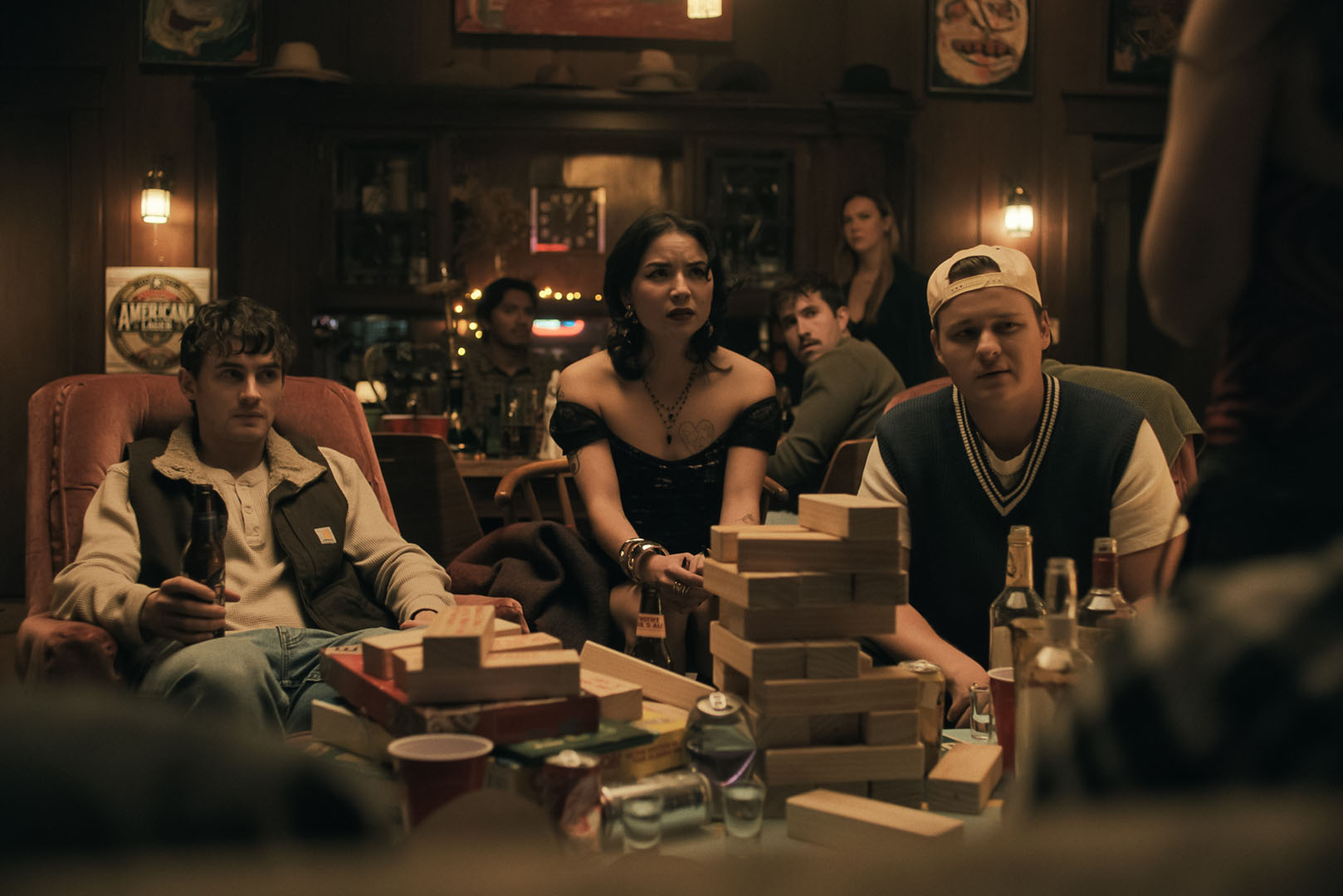
That approach won’t work for everyone. Some viewers may want bigger reveals, more traditional scares, or clearer answers. But for horror fans who love slow-burn tension and psychological dread, this movie absolutely delivers.
It’s also fascinating seeing how quickly the film has exploded in popularity. For a movie made this cheaply and this quickly, its growing success almost feels like a modern reminder of what made indie horror so exciting in the first place.
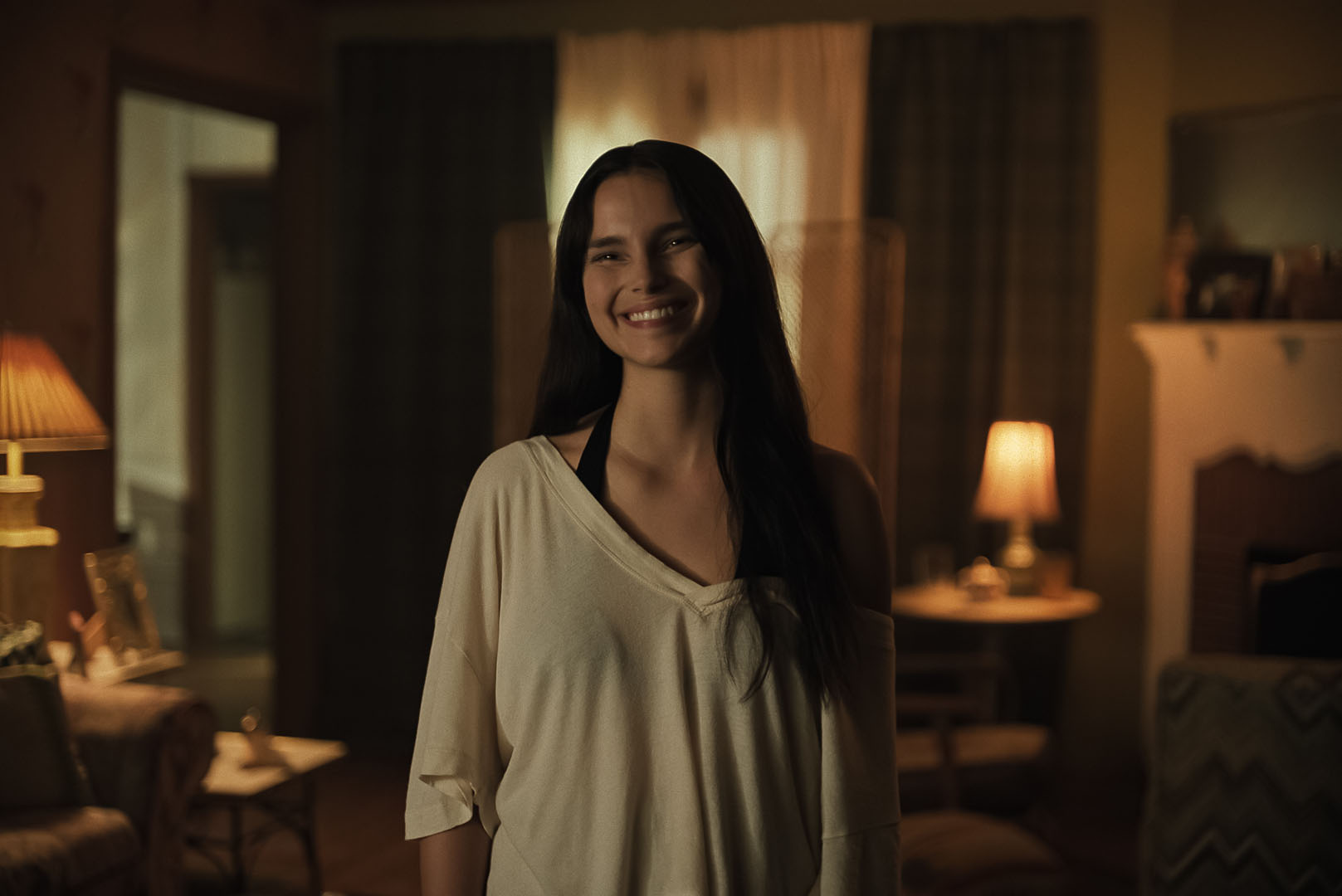
Obsession proves you don’t need giant budgets, elaborate monsters, or endless CGI to create effective horror. Sometimes all you really need is a strong concept, committed performances, and the confidence to let tension do the heavy lifting.
Careful what you wish for.